
The Four Noble Truths
จตฺตาริ อริยสจฺจานิThe four truths at the heart of every teaching, laid out the way a doctor works: name the symptom, find the ca…
4 points


Core teachings summarised set by set from the Tipiṭaka, broken into numbered points in plain language, each with a way to apply it in daily life.
The four truths at the heart of every teaching, laid out the way a doctor works: name the symptom, find the ca…

The five heaps that combine into what we call "me" — look at them one at a time and no single heap turns out t…

Three marks shared by everything — impermanent, unable to hold its shape, and not a self. Visible in the small…
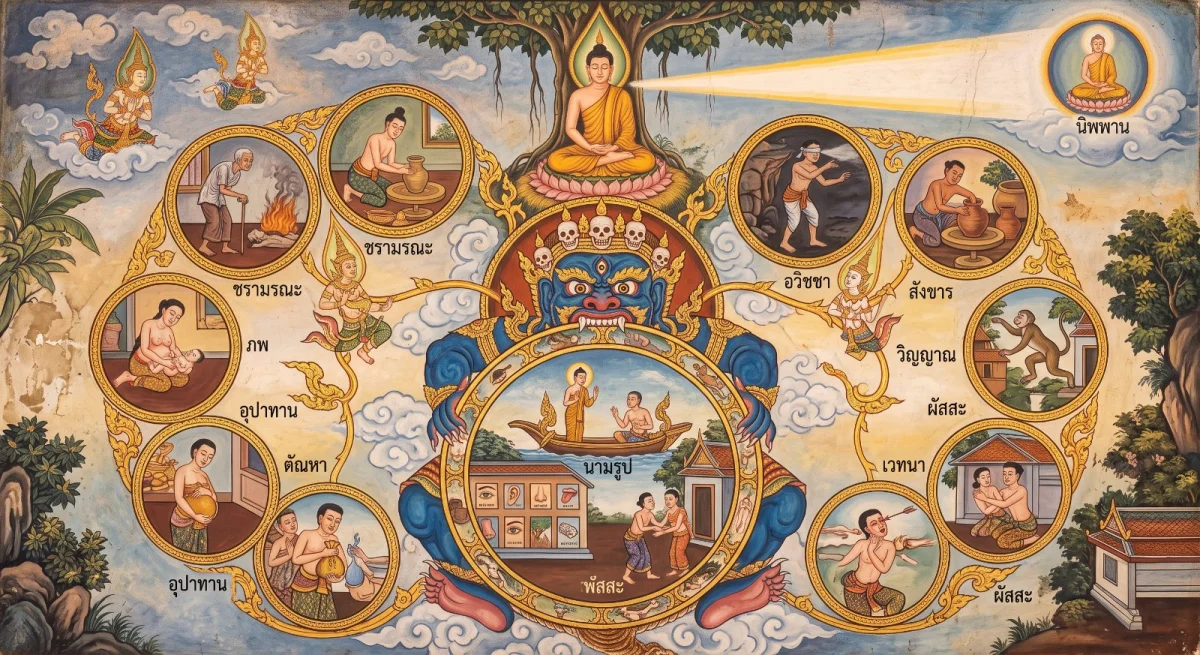
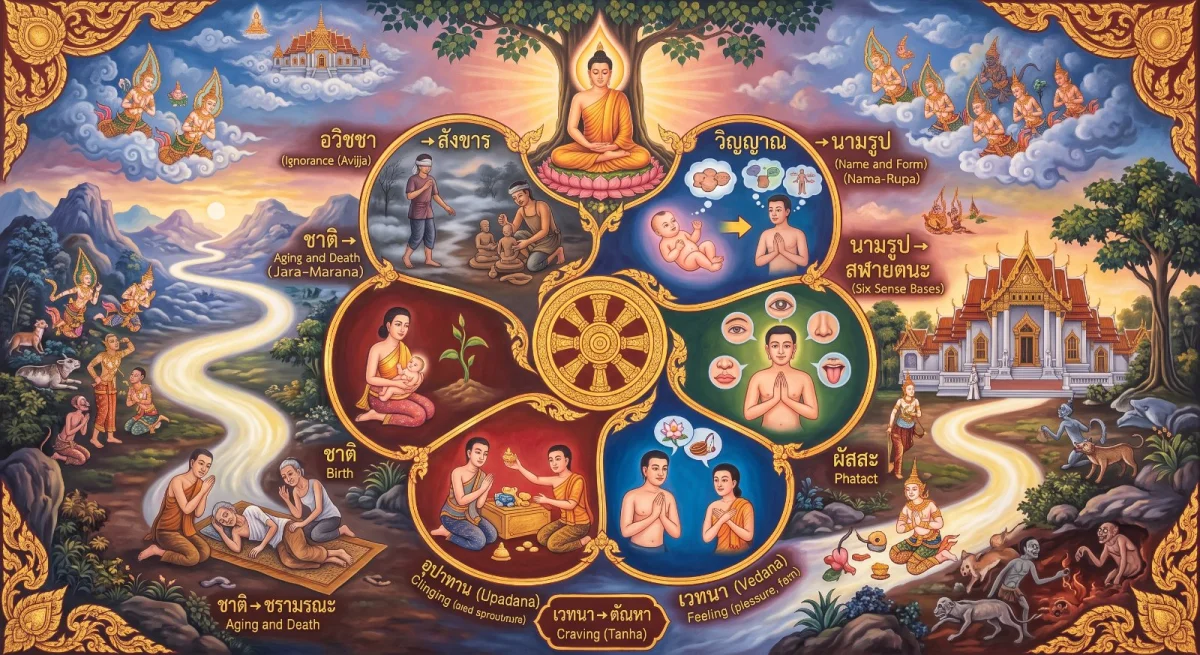
The twelve links by which suffering is produced — see any one link clearly and the chain can be cut right ther…
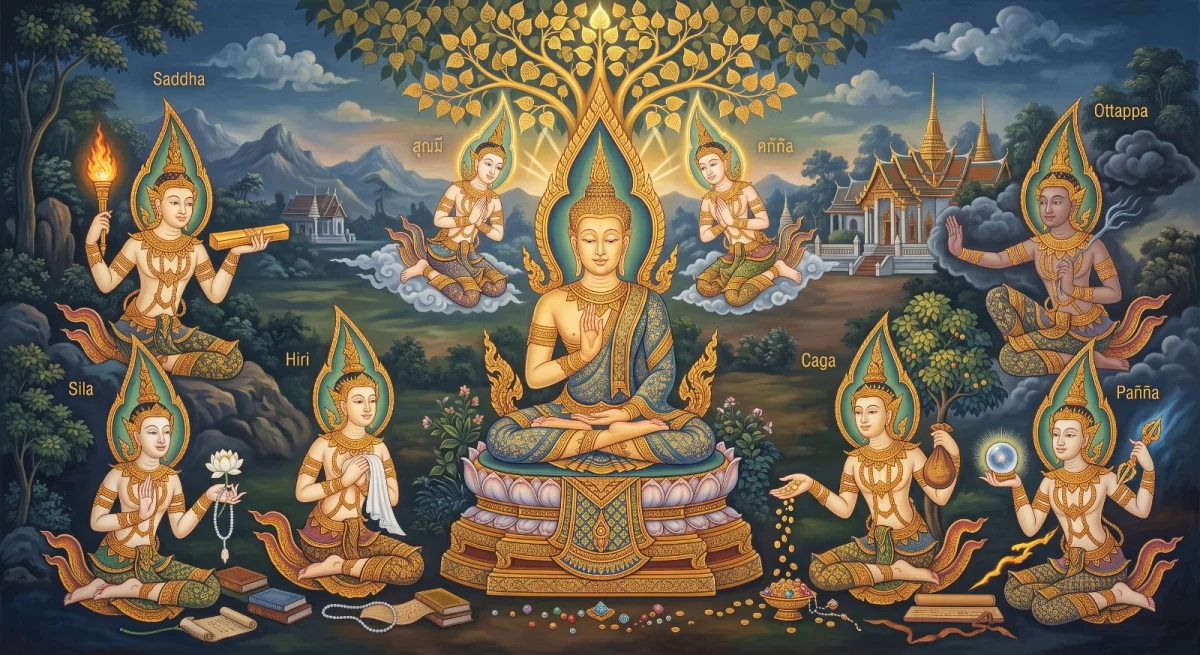
Seven inner treasures no thief can steal and no fire can burn — faith, virtue, moral shame, moral dread, learn…
The Buddha's answer to why people are born so differently — seven pairs of cause and result, from the Cūḷakamm…
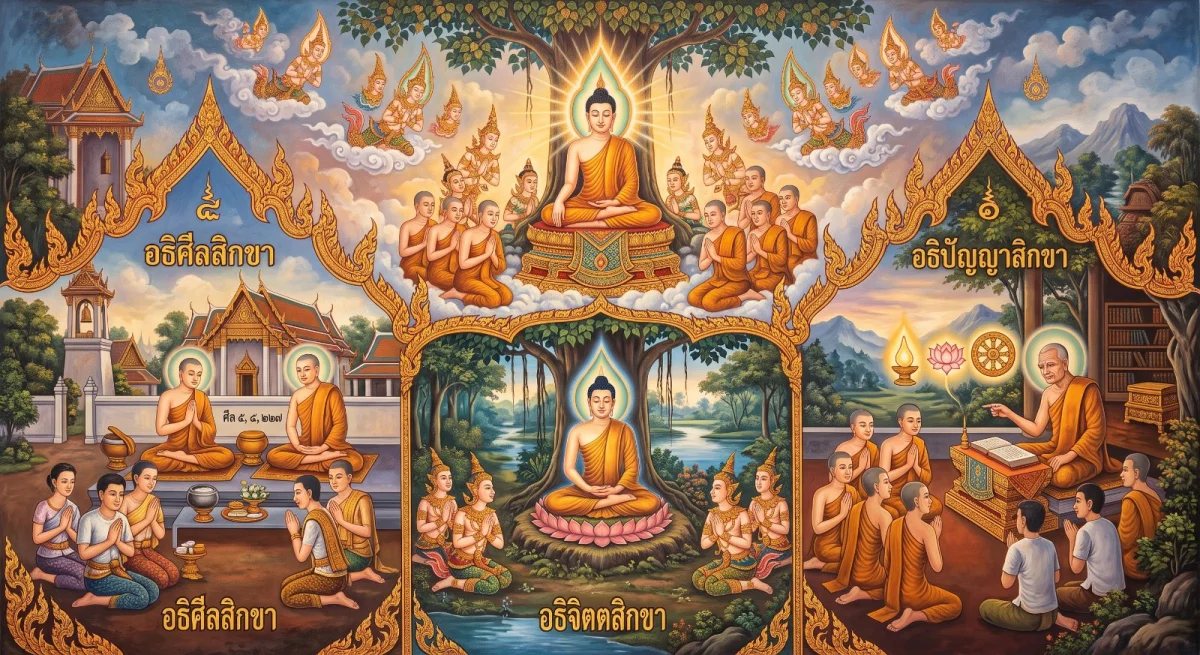
The whole training condensed into three — virtue, concentration and wisdom. Every other teaching fits inside t…
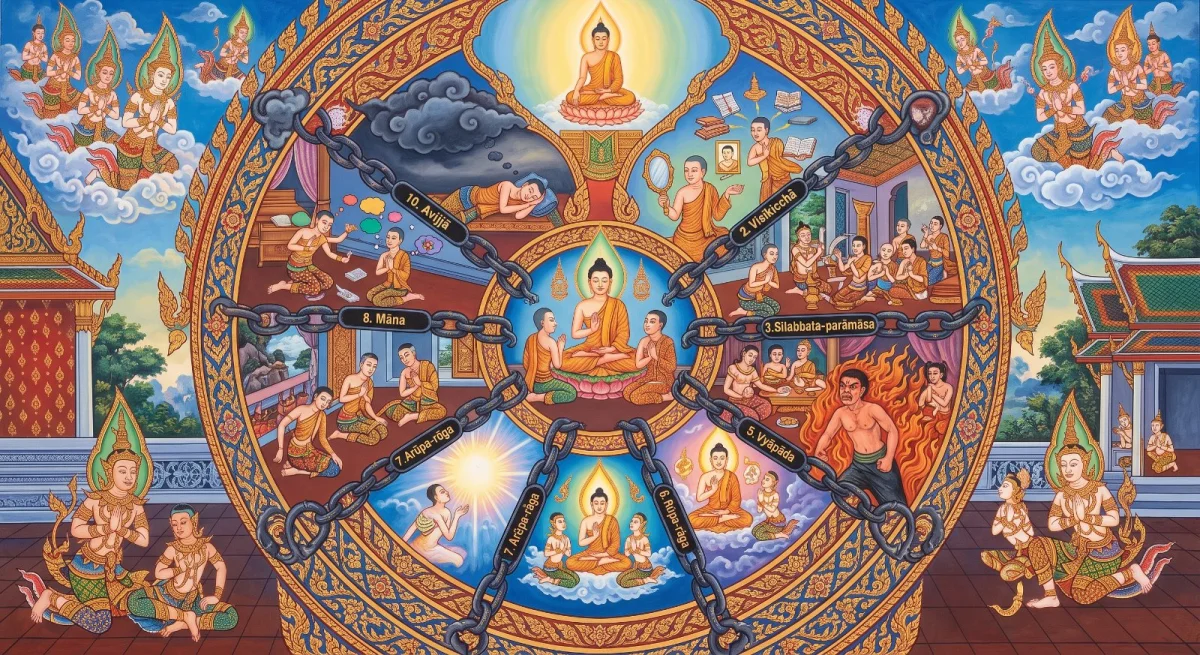
Ten bonds that tie the mind to suffering — a map of how far practice has actually come, measured by what has b…
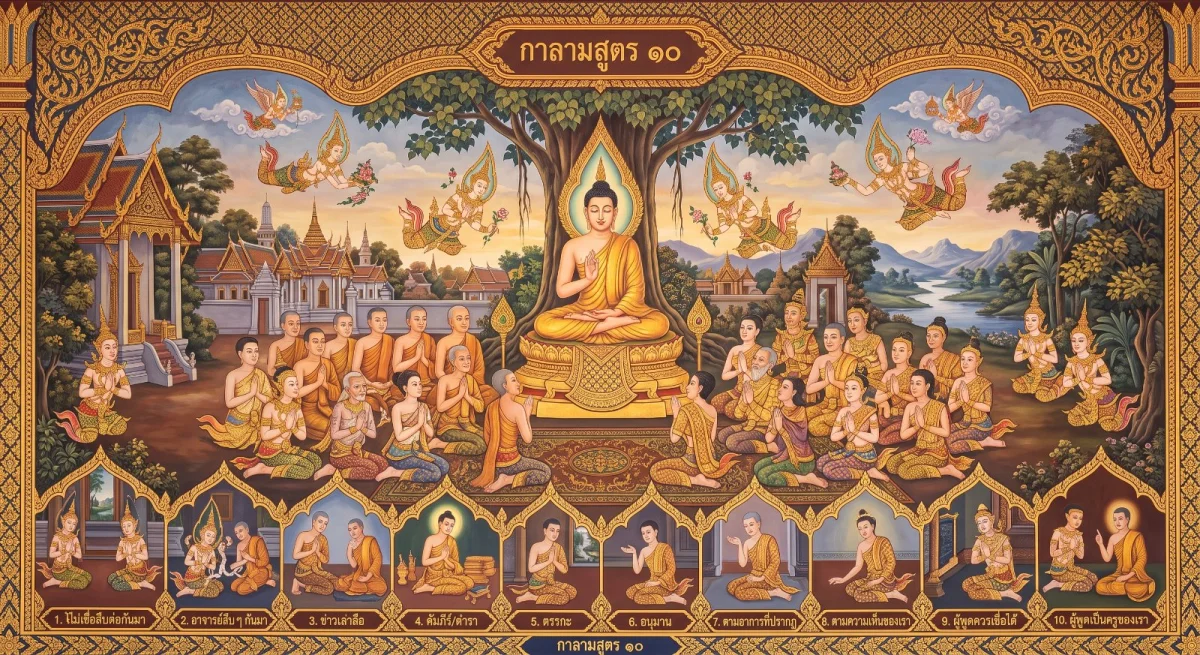
Ten things that are not sufficient reason to accept a claim, and the test the Buddha gave instead — judge by t…
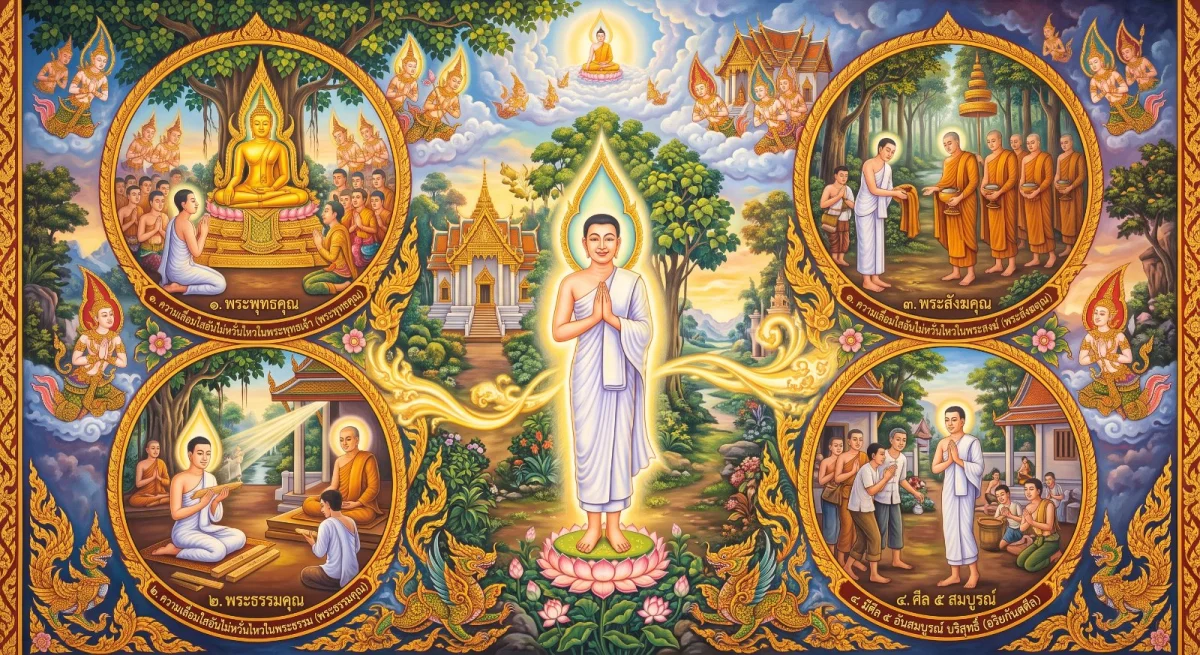
Four things the Buddha called finer than a world-ruler's treasures — unshakeable confidence in the Triple Gem,…
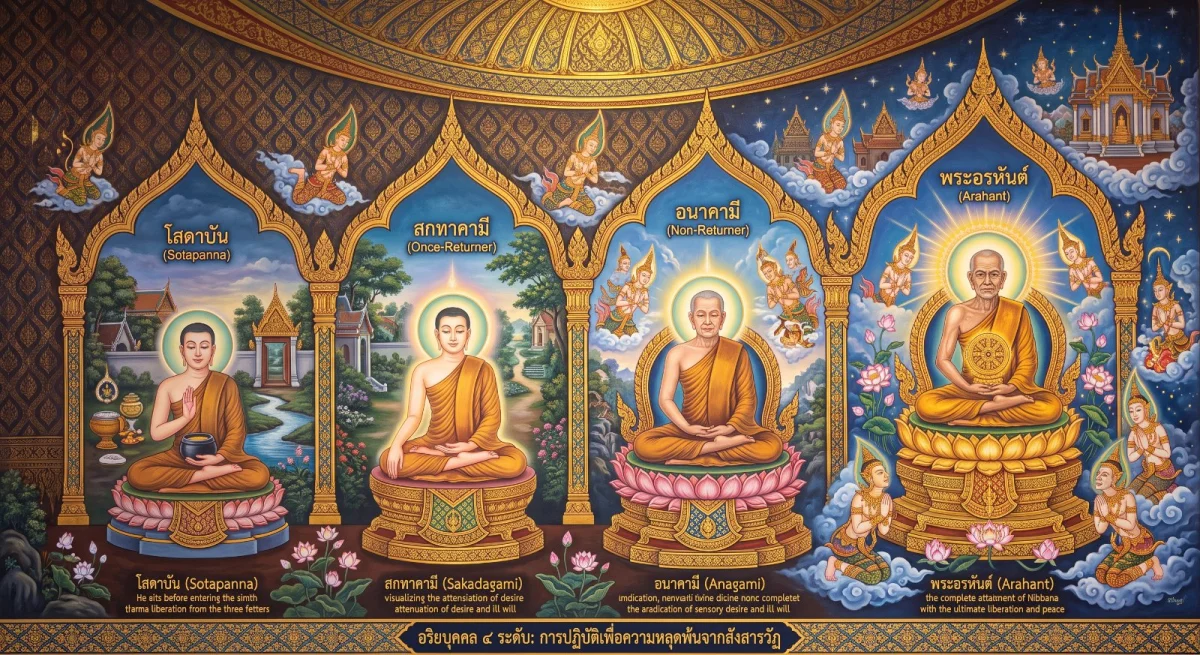
Four stages of realisation, measured by which fetters have been abandoned — not by unusual experiences or anyo…
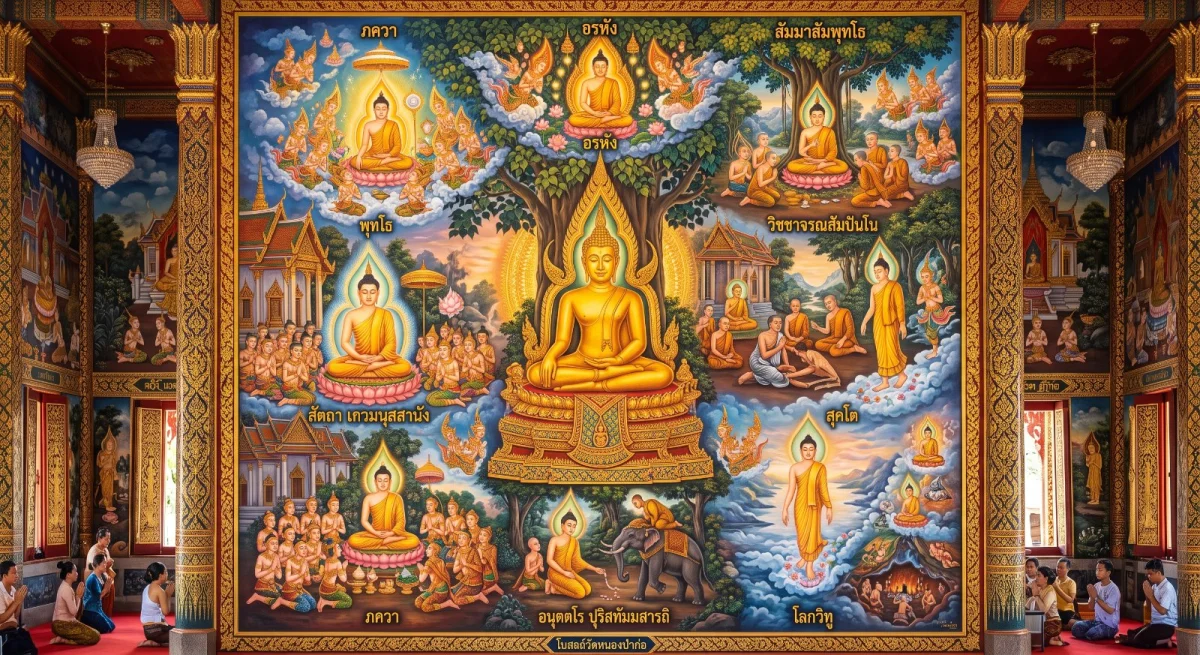
The recitation "Itipi so bhagavā…" translated phrase by phrase — a chant said daily by many who have never bee…
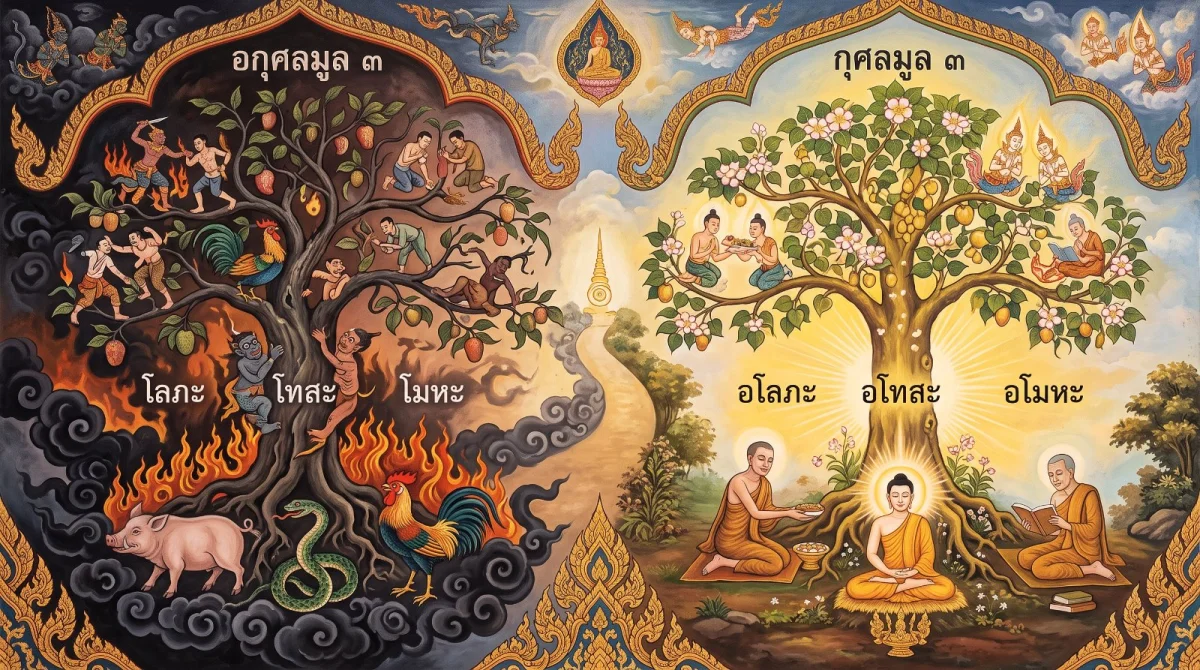
Three roots of wrongdoing — greed, hatred, delusion — and three roots of good — non-greed, non-hatred, non-del…
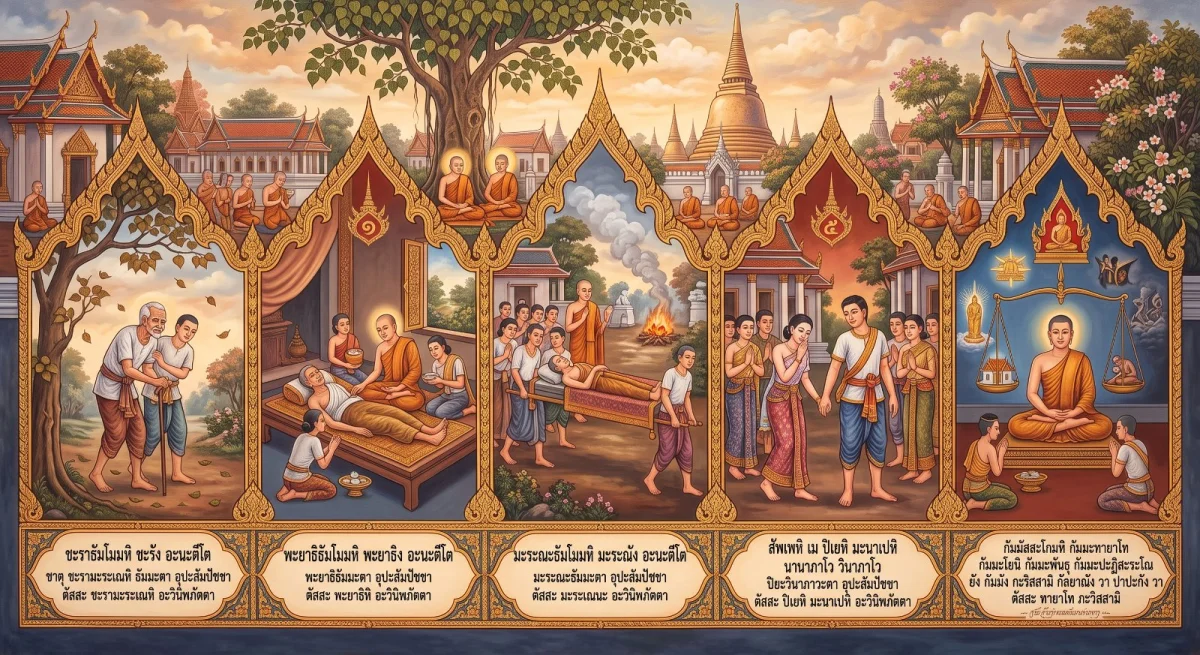
Five facts to reflect on often — ageing, illness, death, separation and ownership of one's kamma — not to beco…
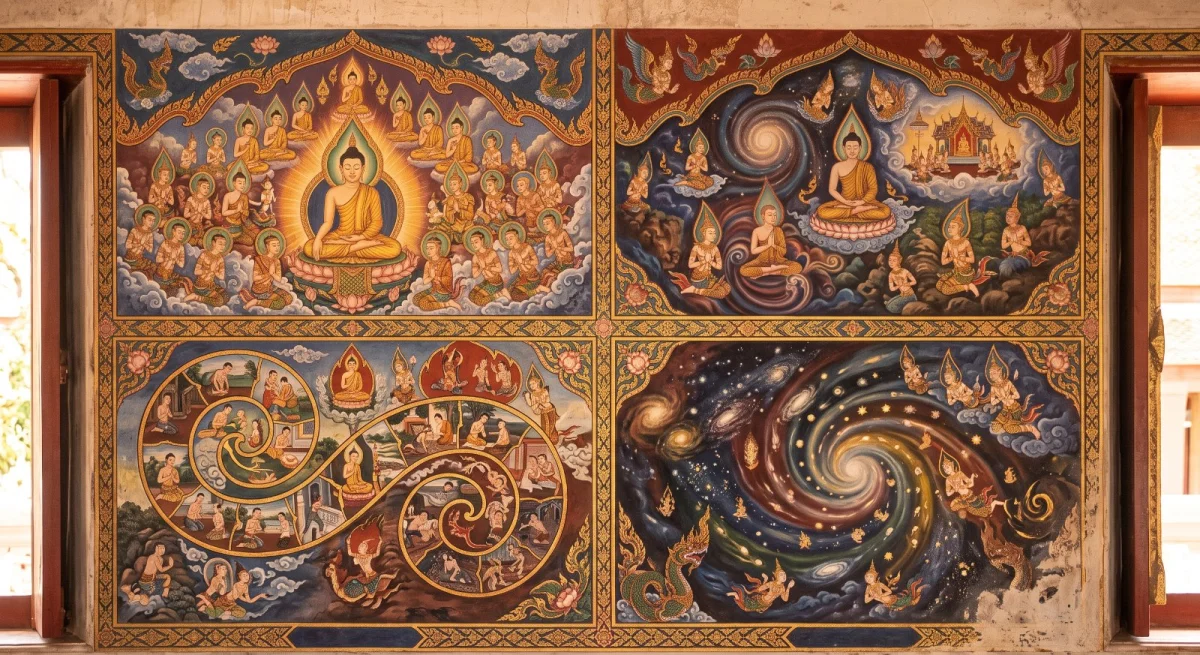
Four matters not to be speculated about — thinking about them brings only exhaustion and vexation, not freedom…

Five qualities of a Buddhist who is a "jewel" rather than an "outcast" lay follower — faith, virtue, not chasi…
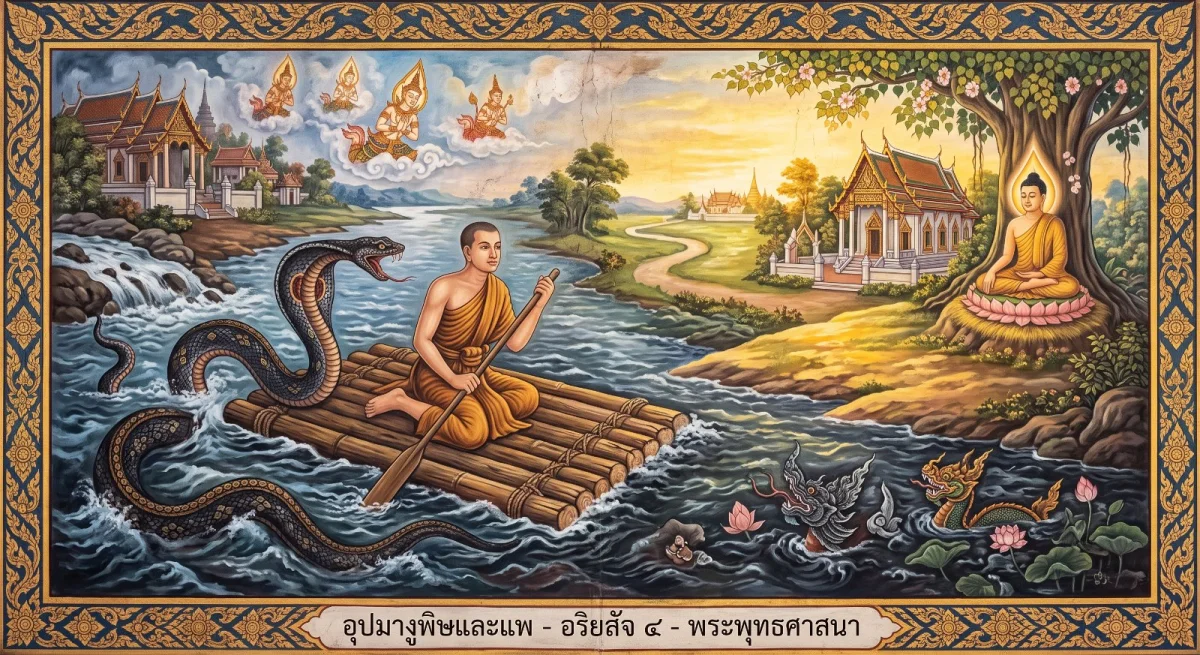
Studying Dhamma the wrong way is like grabbing a venomous snake by the tail, and the Dhamma is like a raft for…
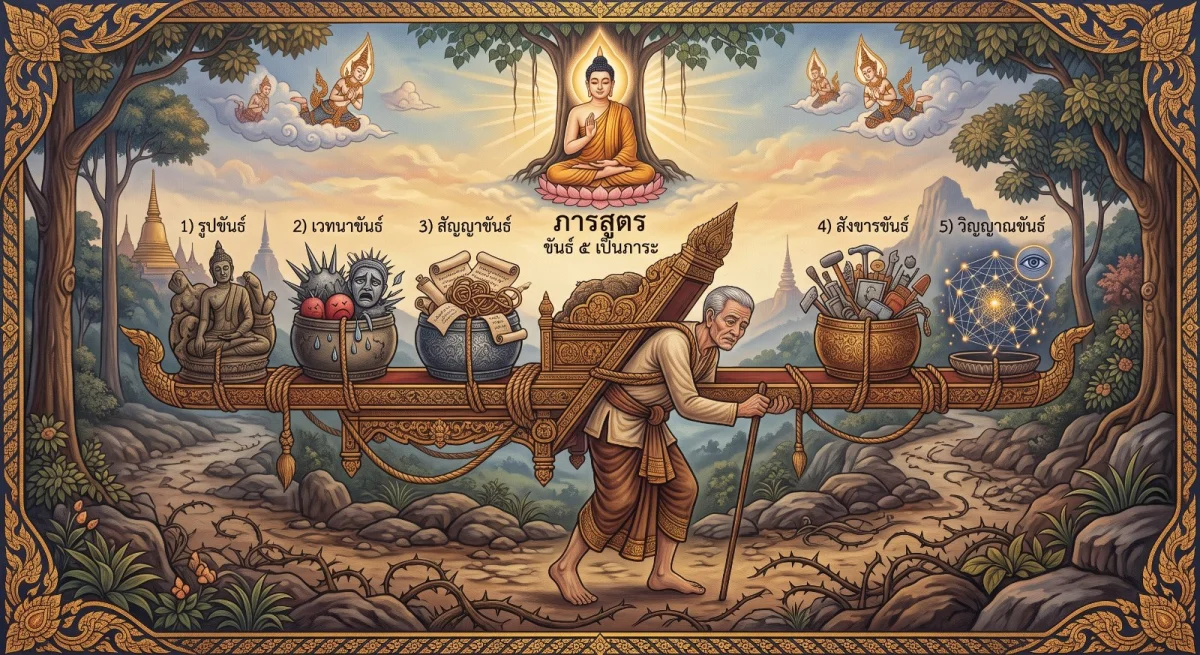
The burden, the carrier, taking it up and laying it down — a short discourse that explains all suffering throu…
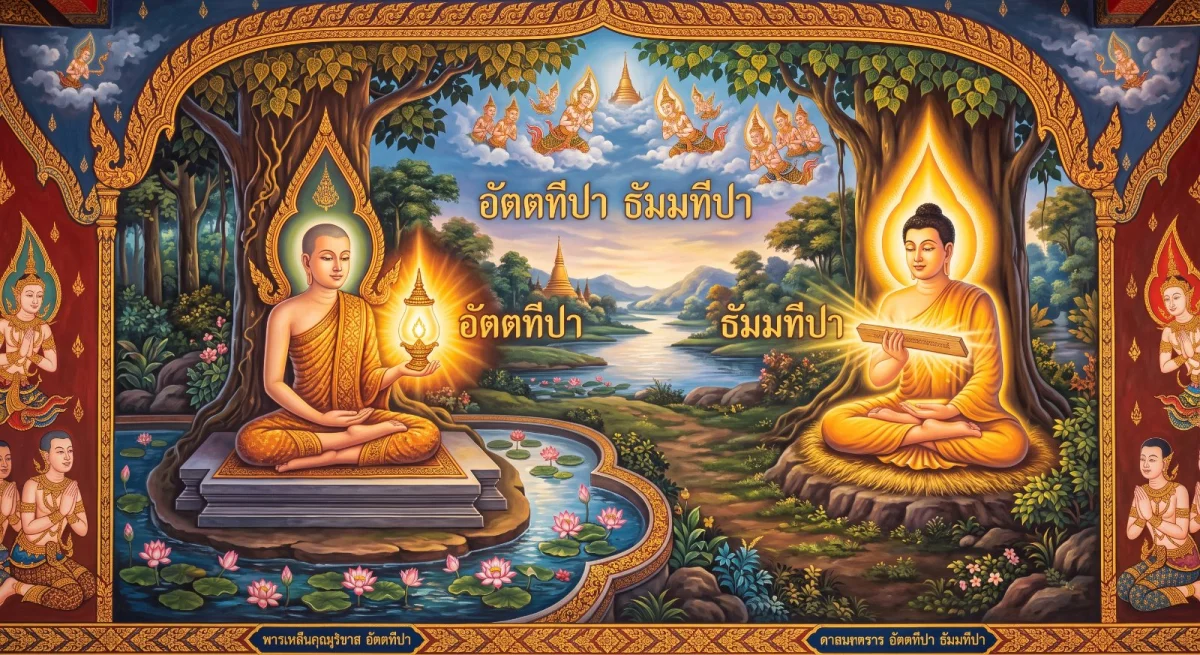
"Dwell with yourselves as an island, yourselves as refuge, with the Dhamma as an island, the Dhamma as refuge,…
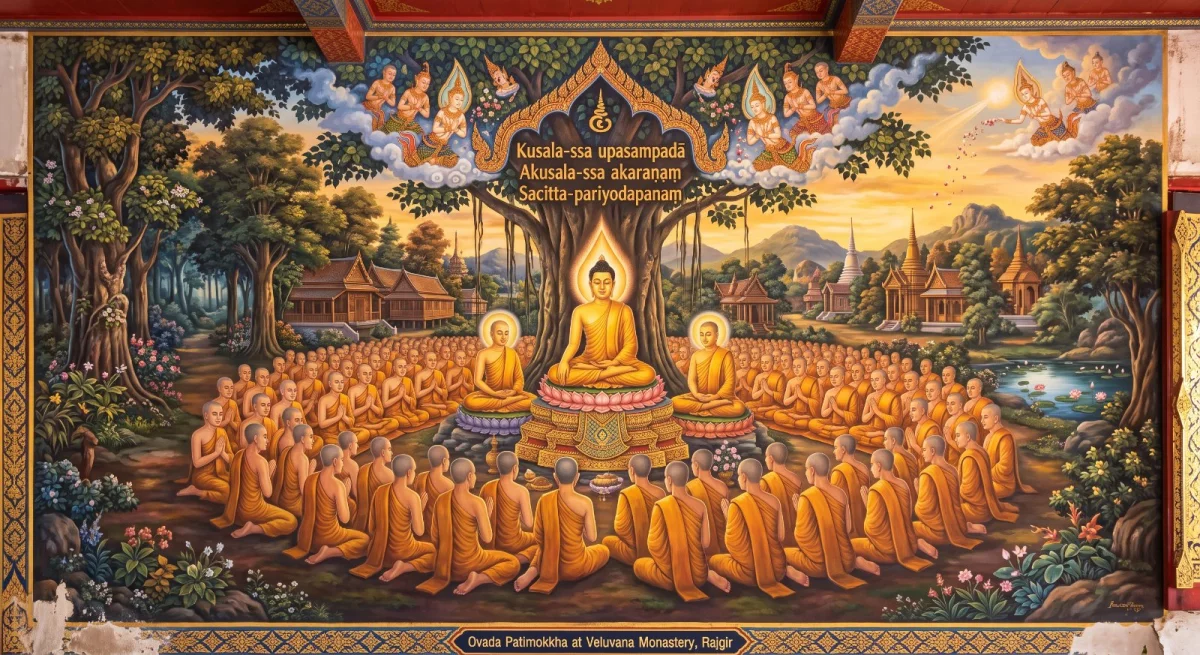
Three verses summing up the heart of the teaching — do no evil, cultivate the good, purify the mind — with the…
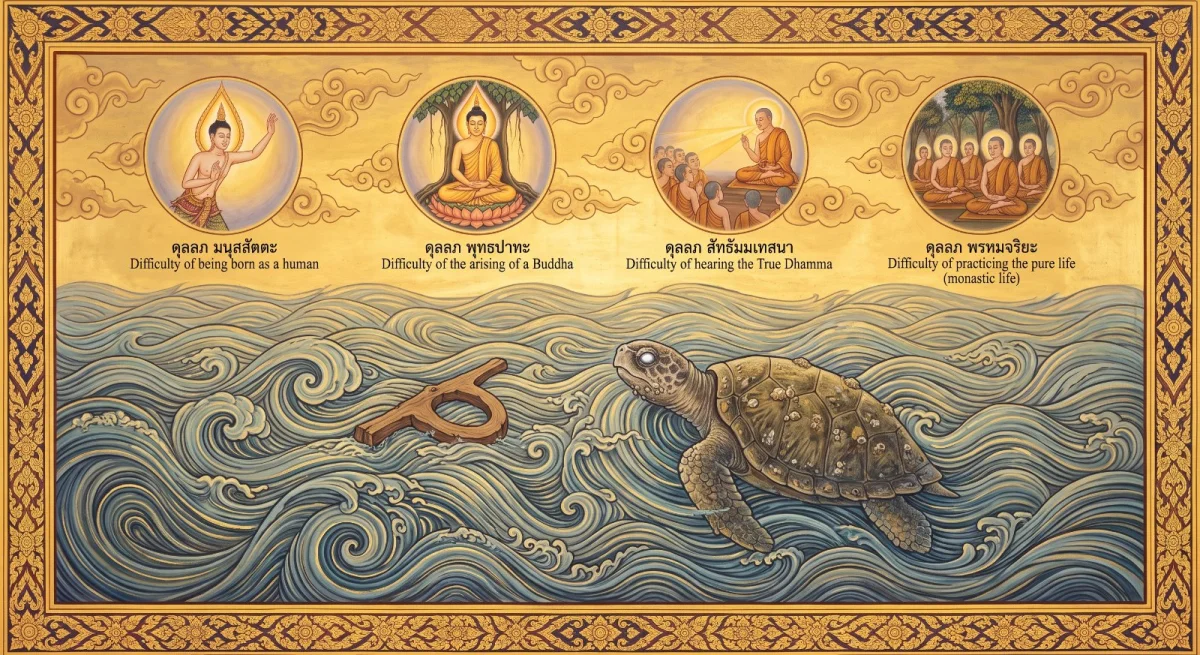
Four things rarely obtained — human birth, staying alive, hearing the true Dhamma, and the arising of a Buddha…
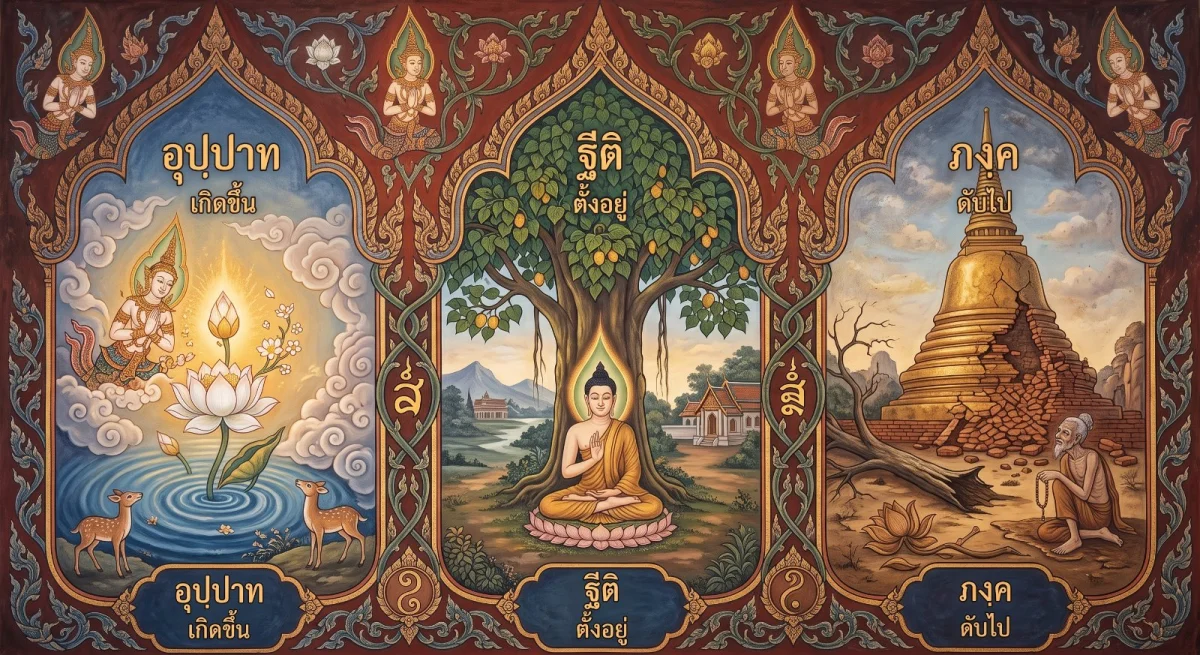
Three marks of everything conditioned — its arising is evident, its passing is evident, and while it persists …
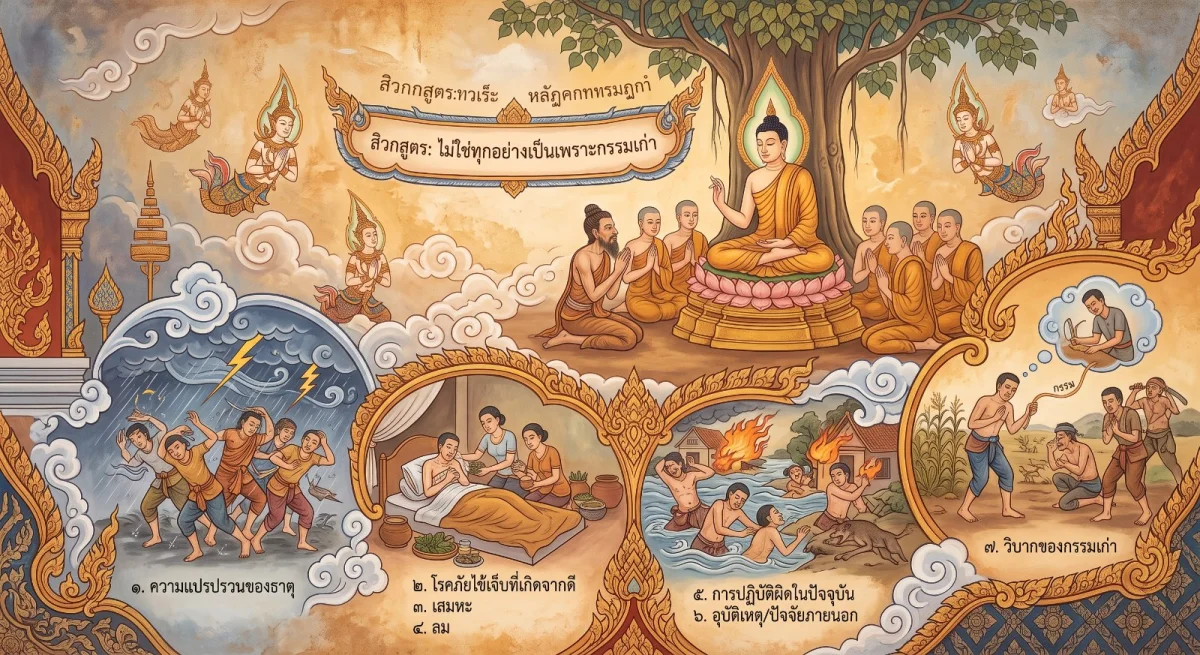
Illness and feelings can arise from eight causes, and past kamma is only one of them — the Buddha rejected the…
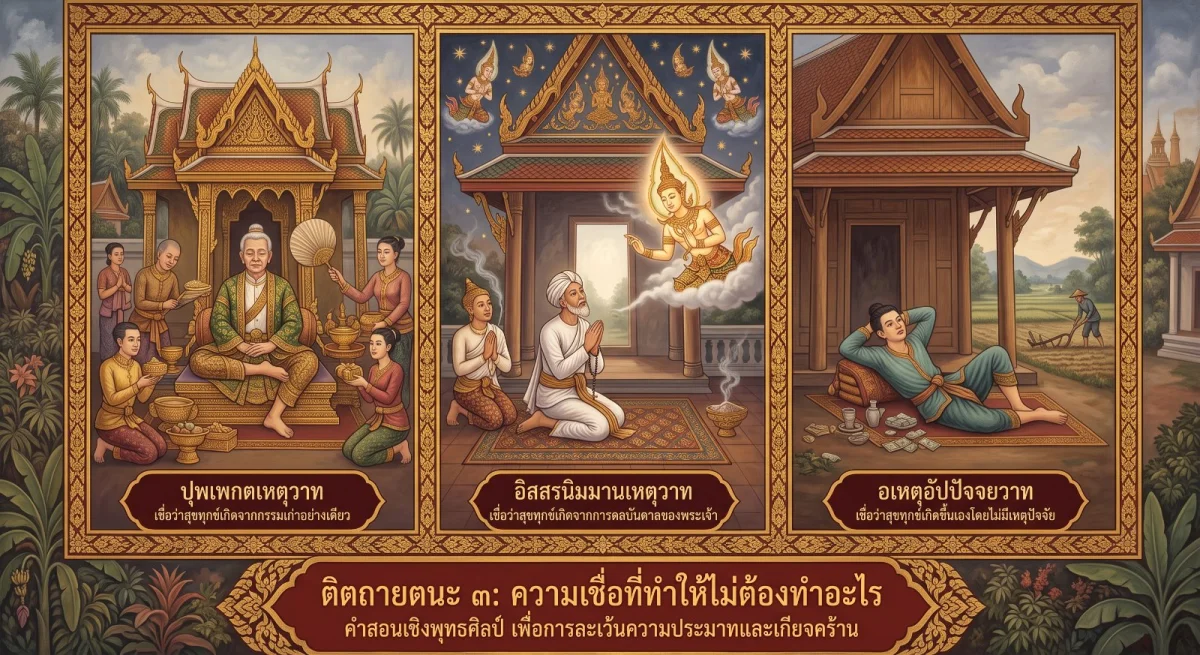
Three doctrines the Buddha rejected — everything is due to past kamma, everything is due to a creator's will, …
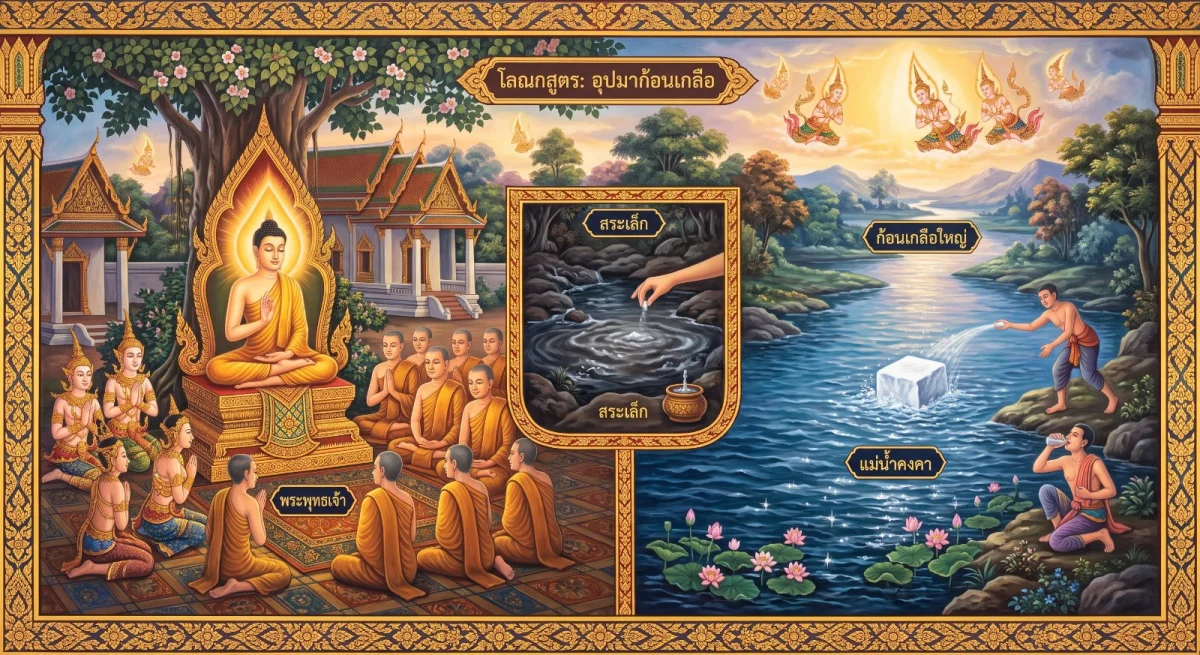
The same bad deed doesn't bear the same result — a lump of salt makes a cup of water undrinkable but does noth…
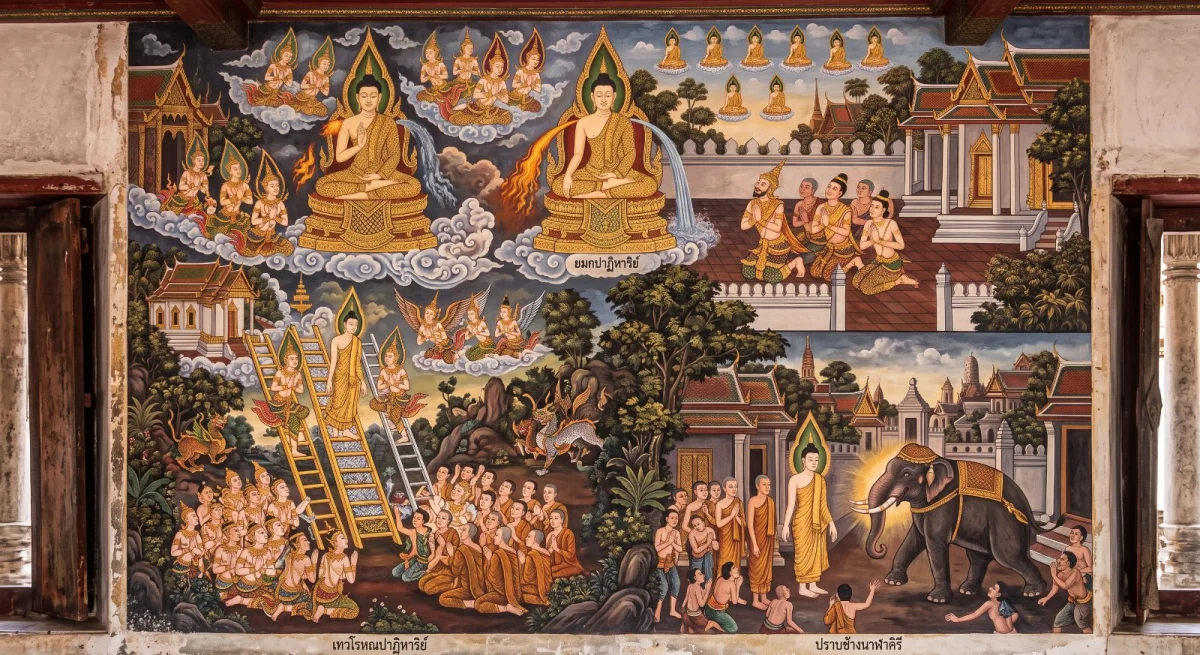
Psychic power, mind-reading and instruction — the Buddha refused to use psychic powers to win faith, and prais…
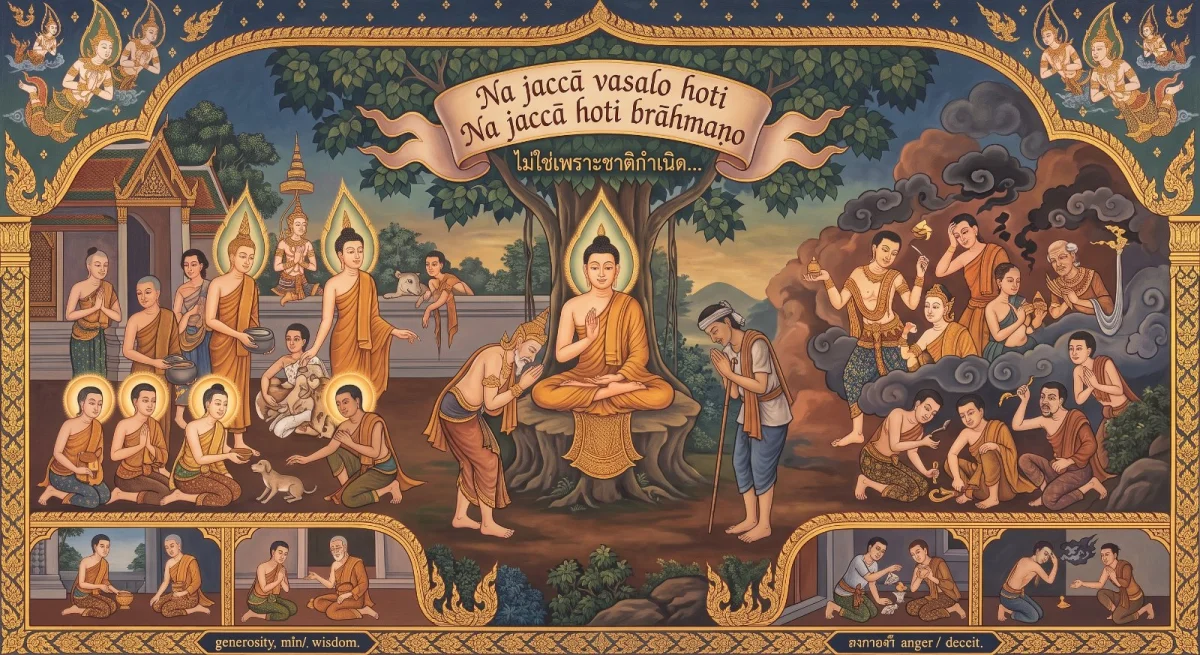
"One is not an outcast by birth, nor a brahmin by birth. By action one becomes an outcast; by action one becom…
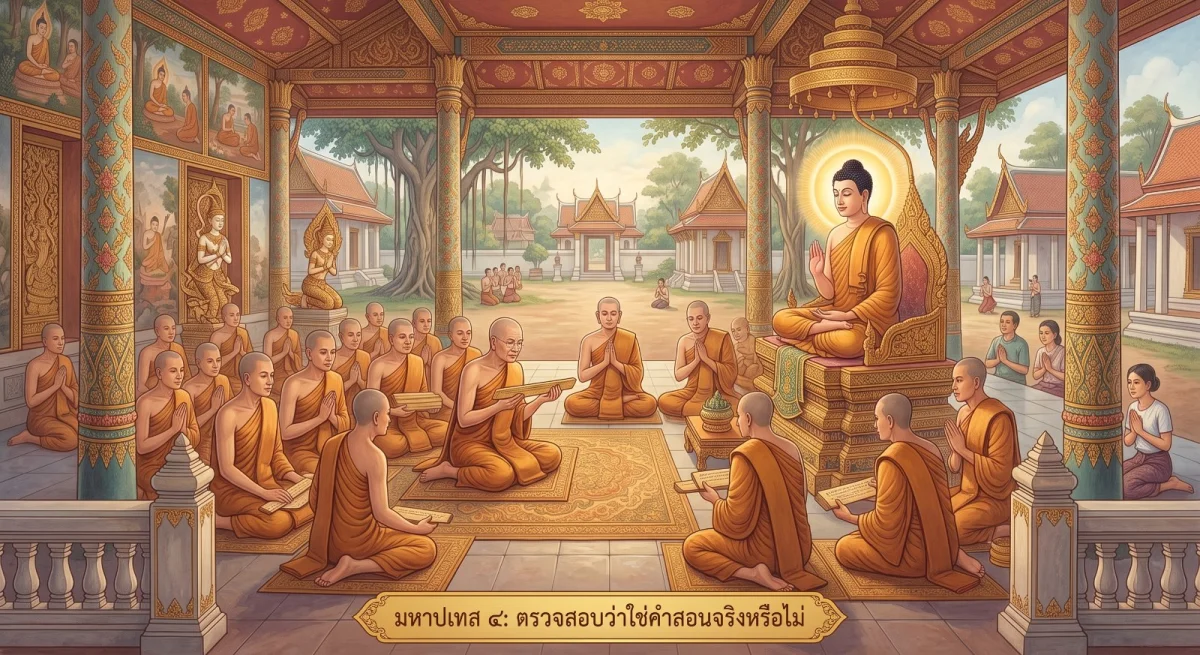
The Buddha's own criteria for checking whether something claimed as his word really is — whoever it is said to…
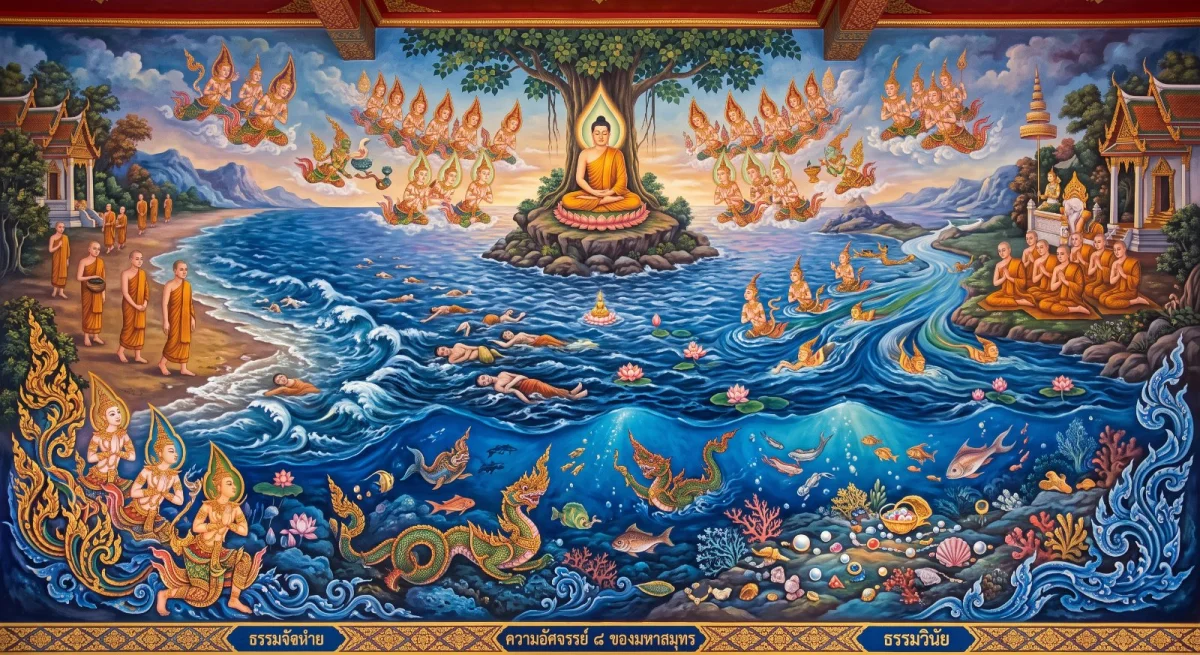
Eight qualities of the great ocean the Buddha compared to his Dhamma and discipline — gradually deepening, nev…
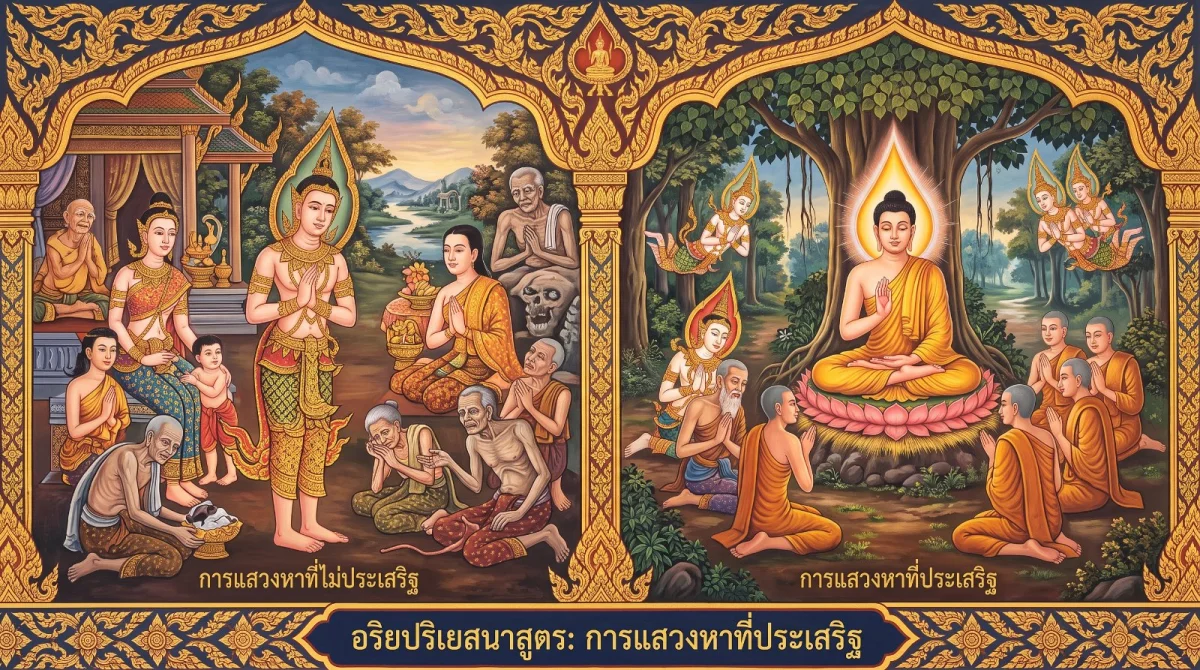
Most people seek things that age, sicken and die just as they do. The Buddha tells how he turned to seek what …
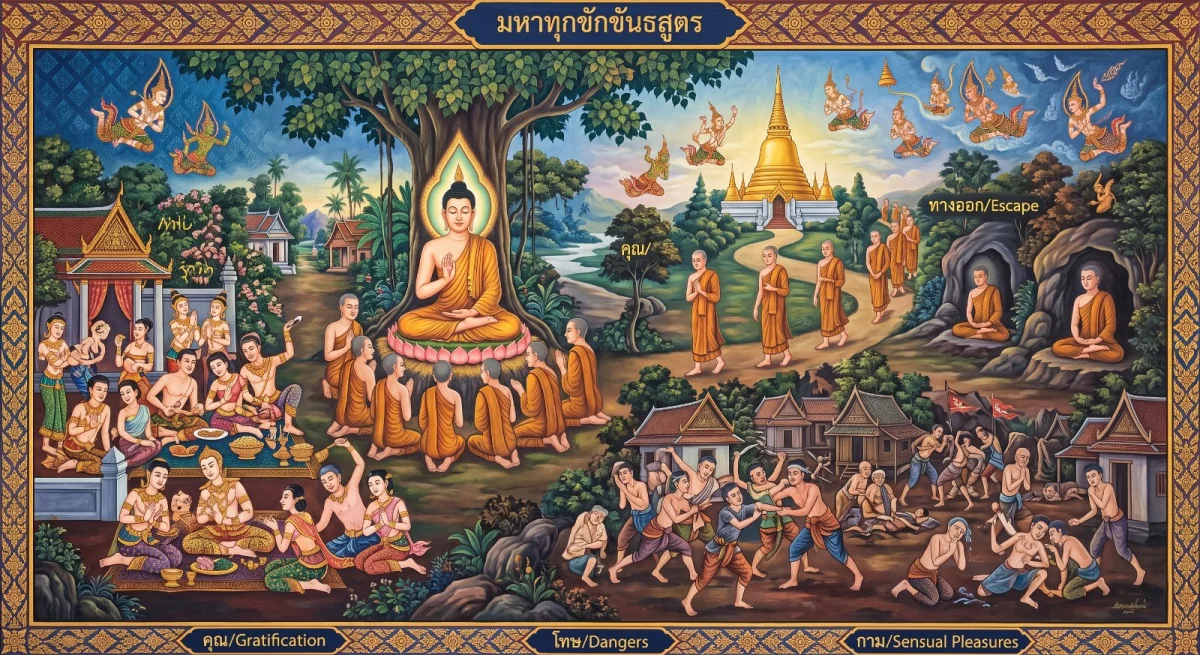
Everything has three sides to see in full — what is gratifying, what is dangerous, and the way out. The Buddha…
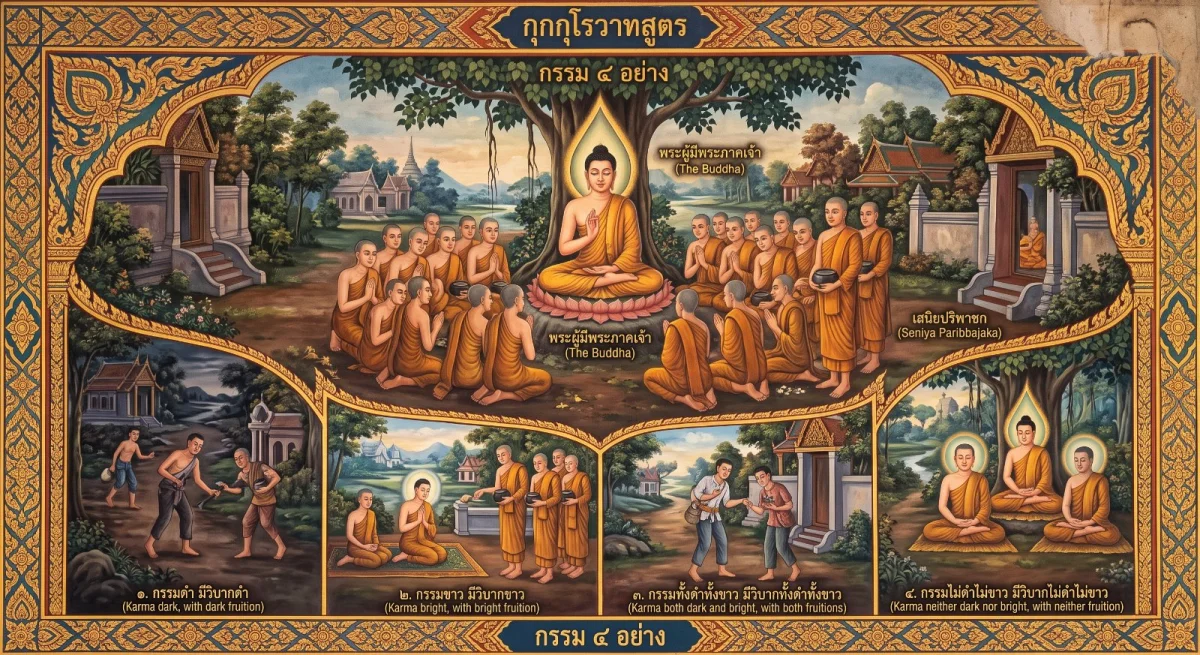
Dark kamma, bright kamma, kamma both dark and bright, and kamma neither dark nor bright that leads to the endi…
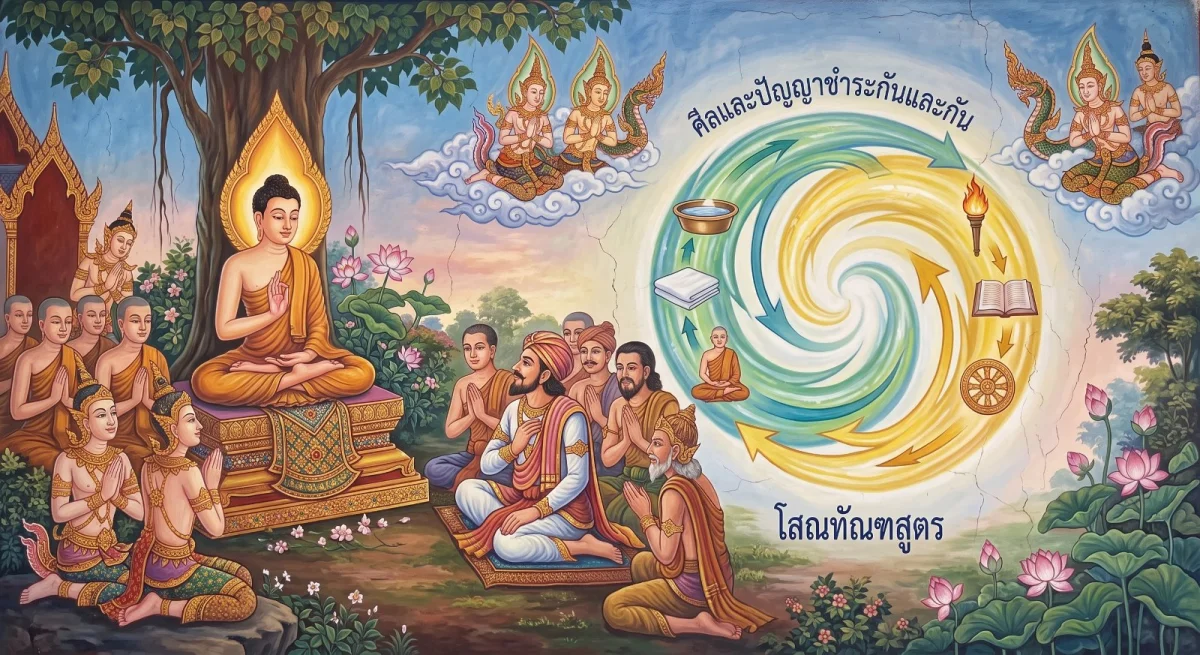
A brahmin said a true brahmin needs five qualities, but dropped them one by one until only two remained that c…
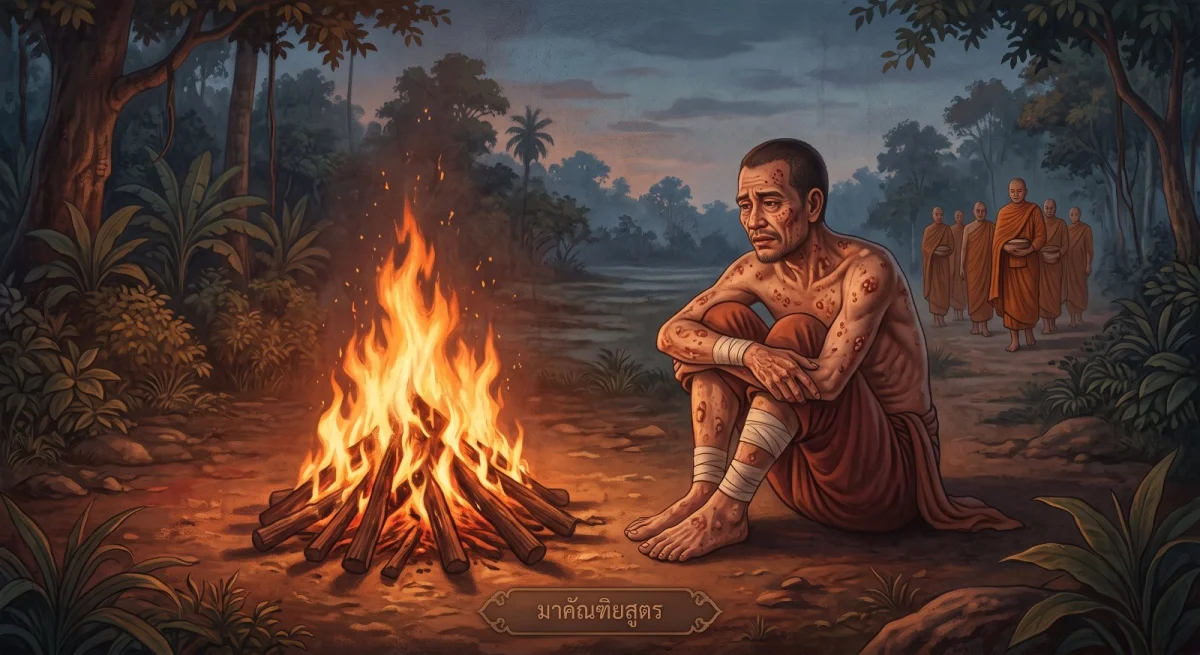
A leper feels relief scorching his sores over a fire, but once cured, no one would want to go back to the fire…
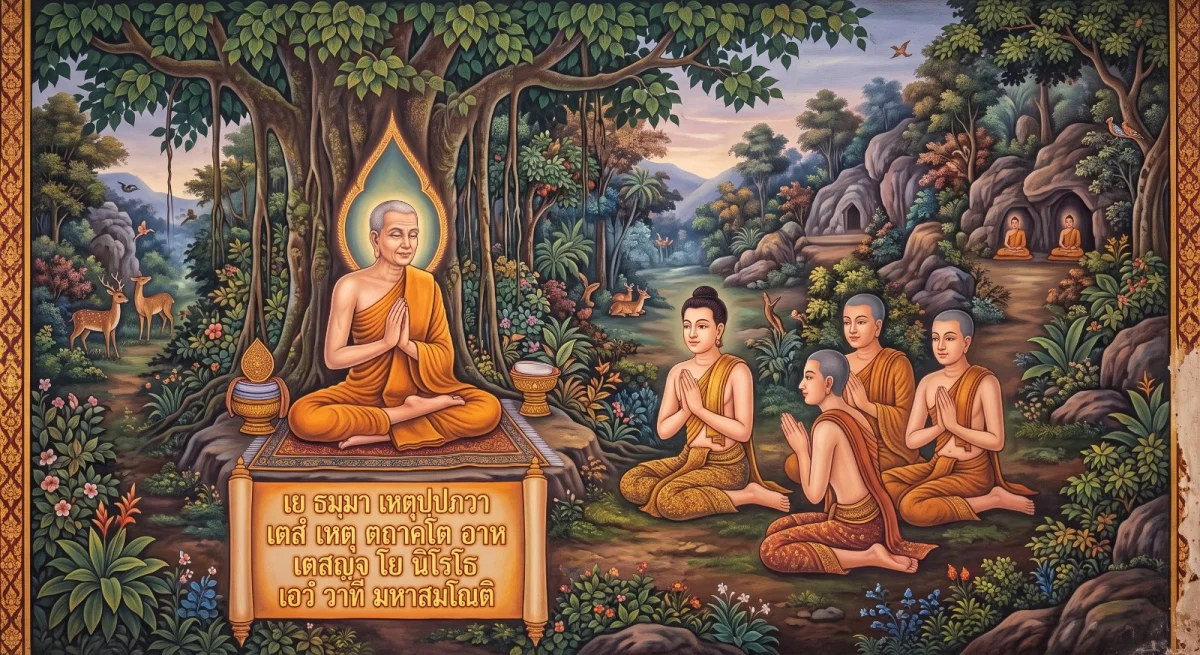
The short verse Assaji spoke to Upatissa (later Sāriputta): things arise from causes; the Tathāgata has told t…
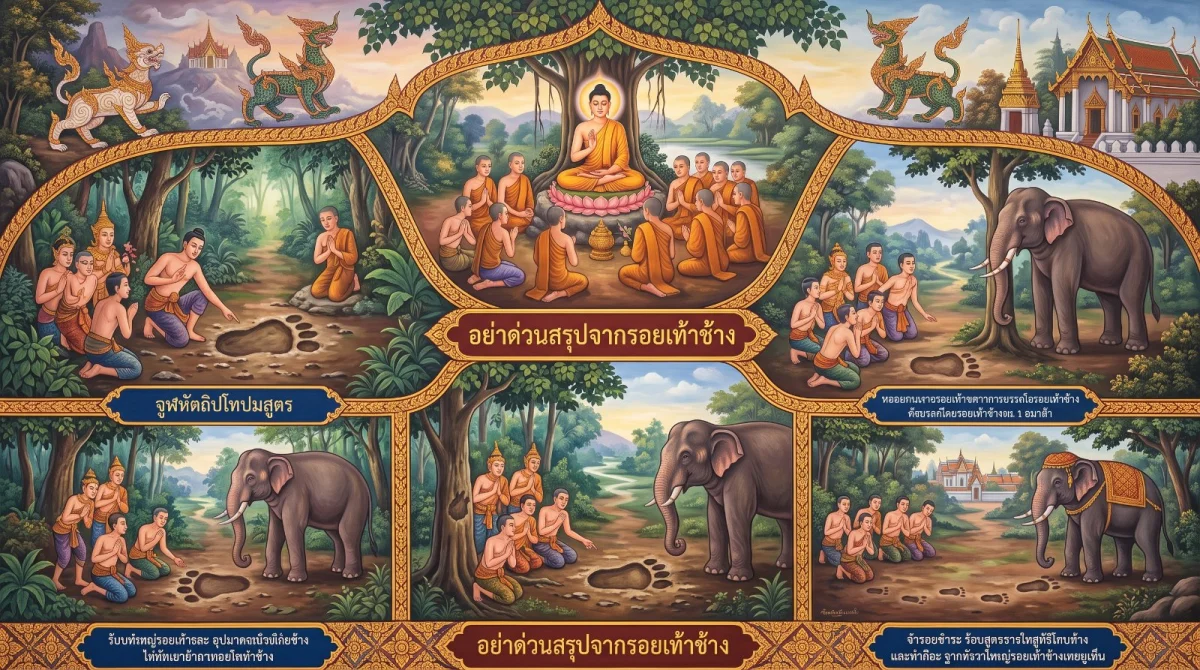
A skilled elephant tracker does not conclude from a big footprint until he sees the elephant itself. True conf…
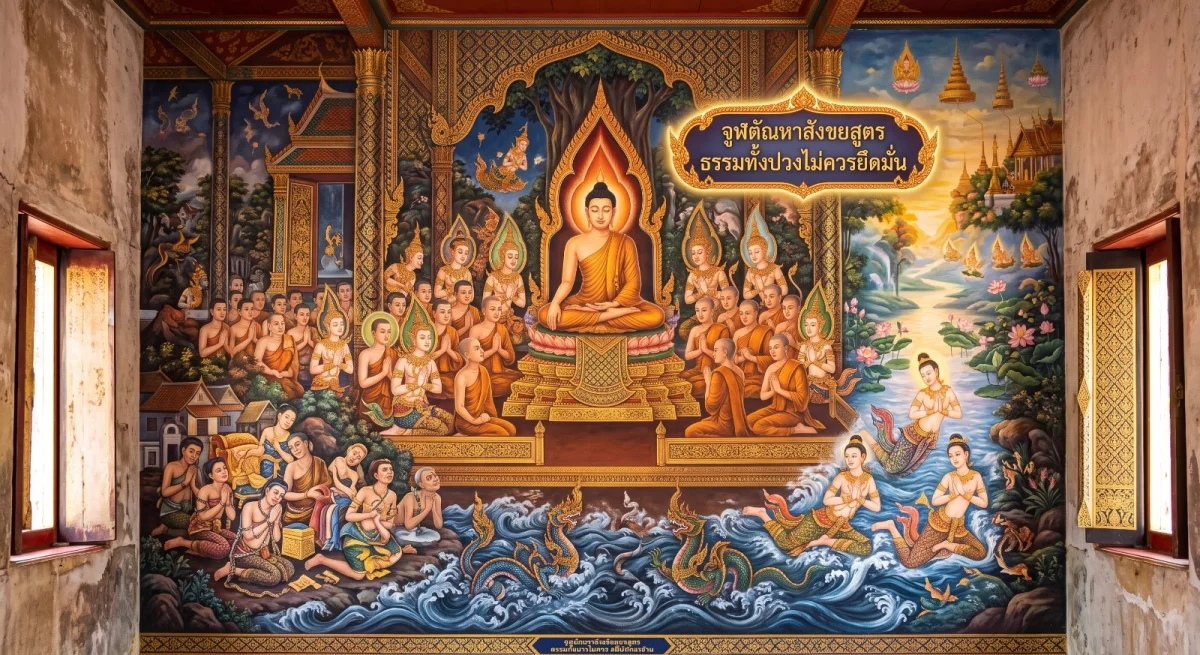
Sakka asks for the briefest teaching on the destruction of craving; the Buddha says, "Nothing is worth clingin…
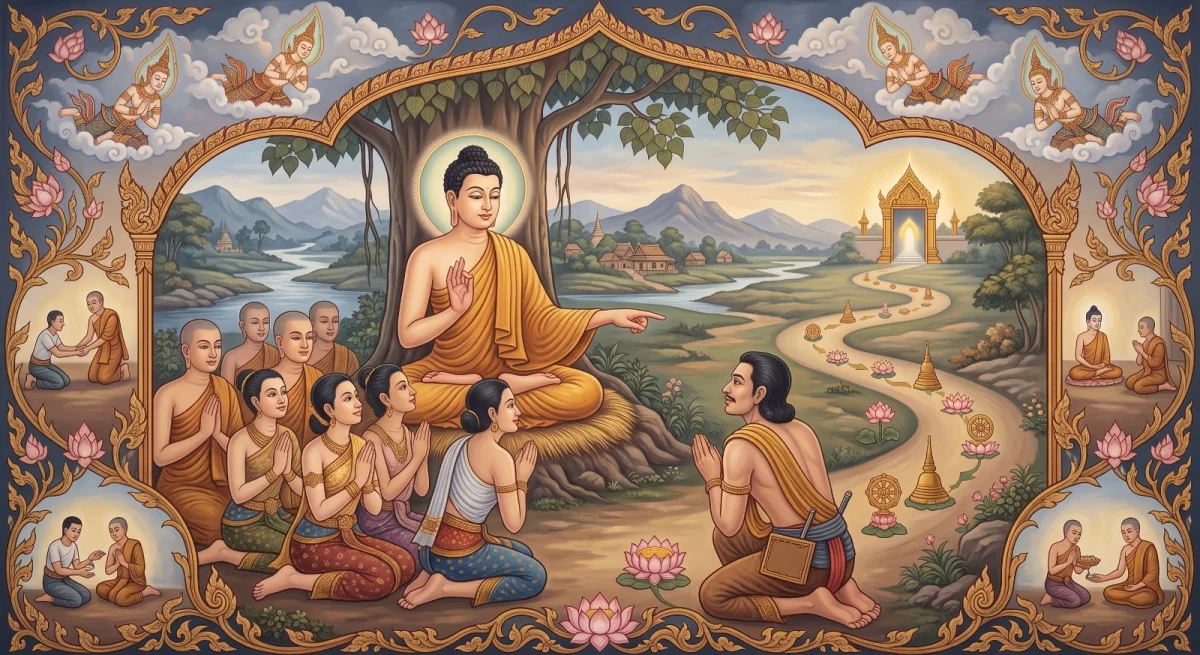
Training in the Dhamma is gradual, like a staircase. Why then do some reach nibbāna and others not? Because th…
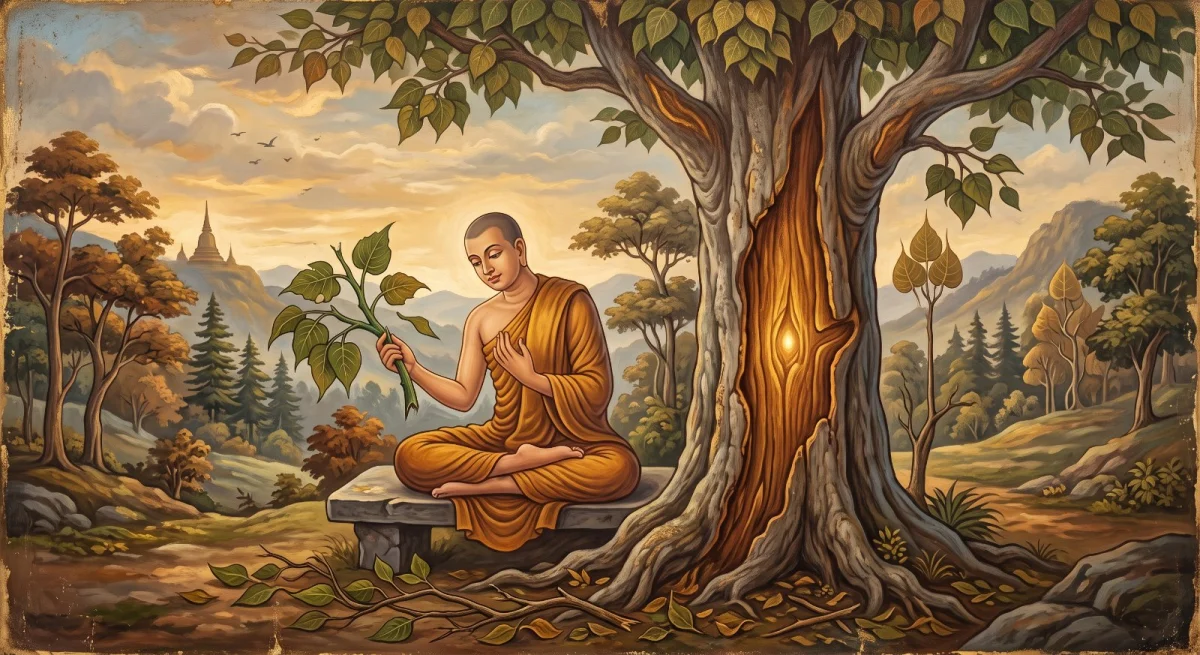
Someone looking for heartwood who carries off the branches and leaves, the outer bark, the inner bark or the s…
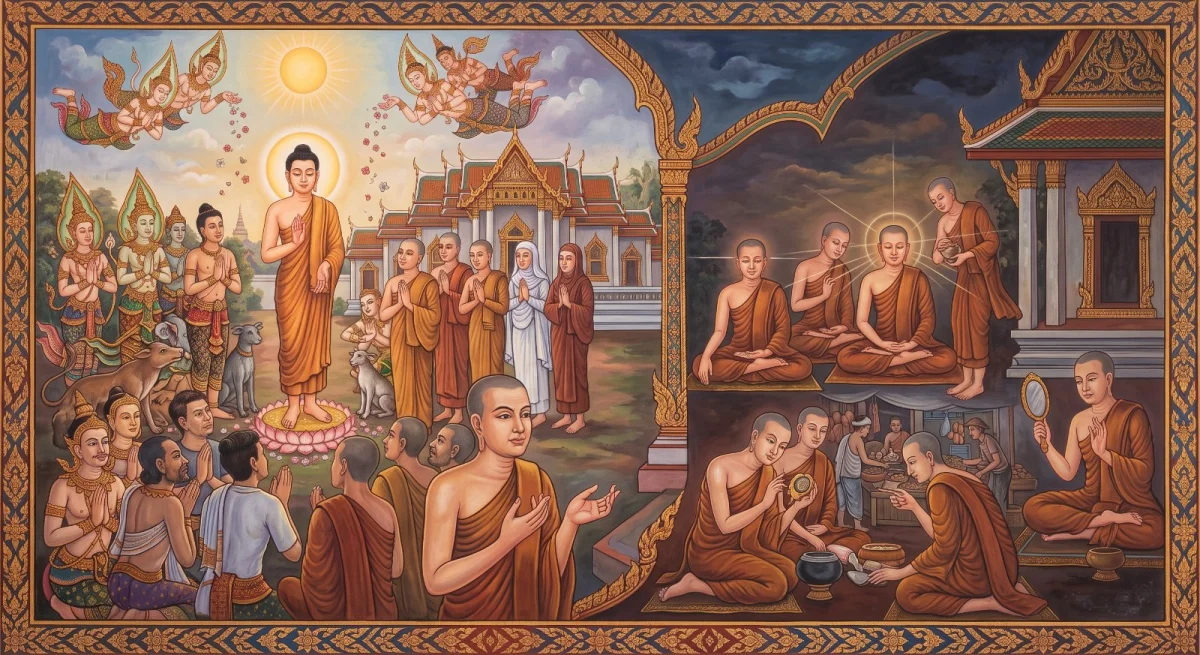
The Buddha tells monks to examine him to see whether he is truly enlightened: by observing what can be seen an…
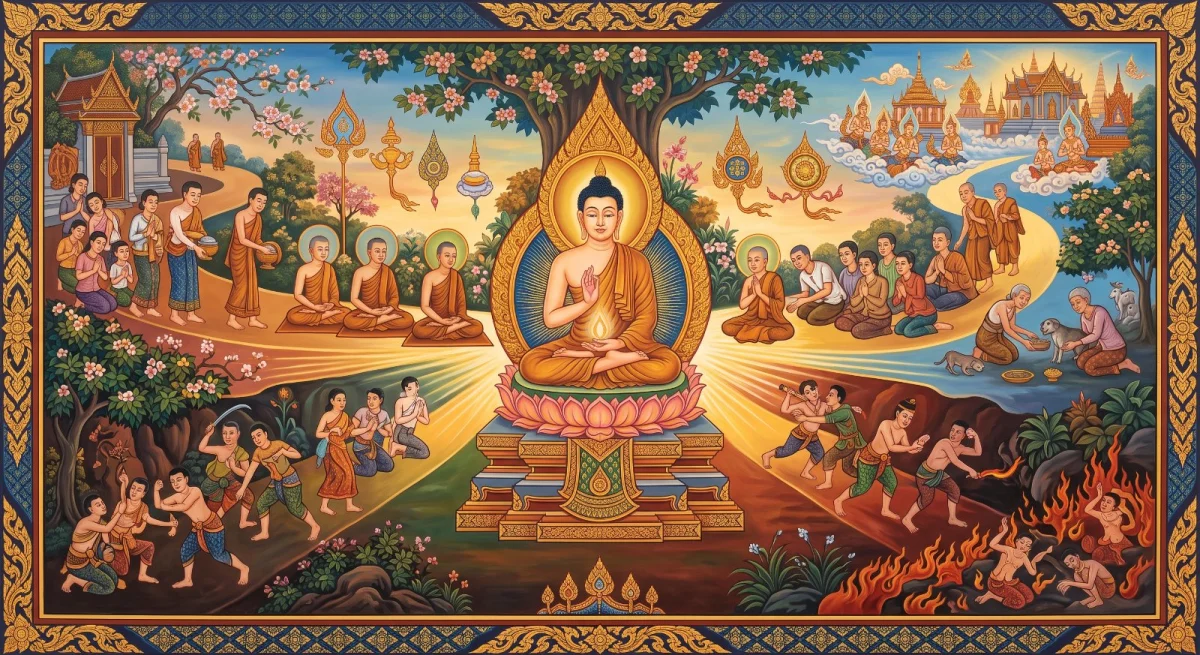
Without a teacher they trust, and facing conflicting views such as whether there is another world or whether a…
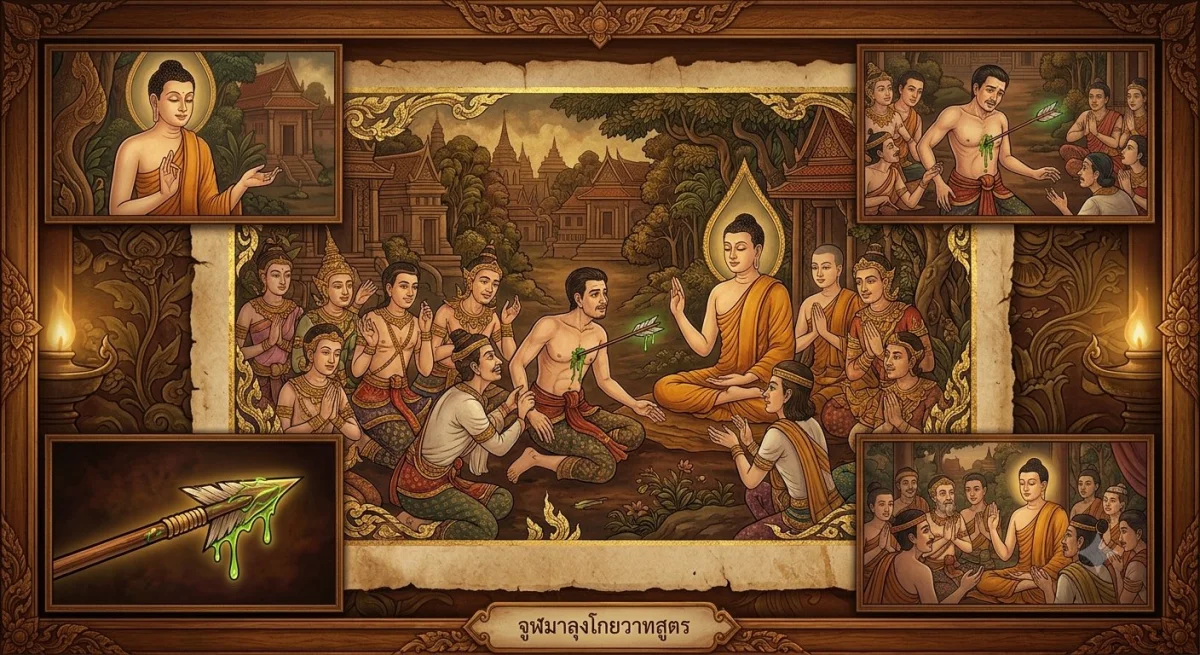
Māluṅkyaputta threatens to leave the robe unless the Buddha answers whether the world is eternal, whether the …
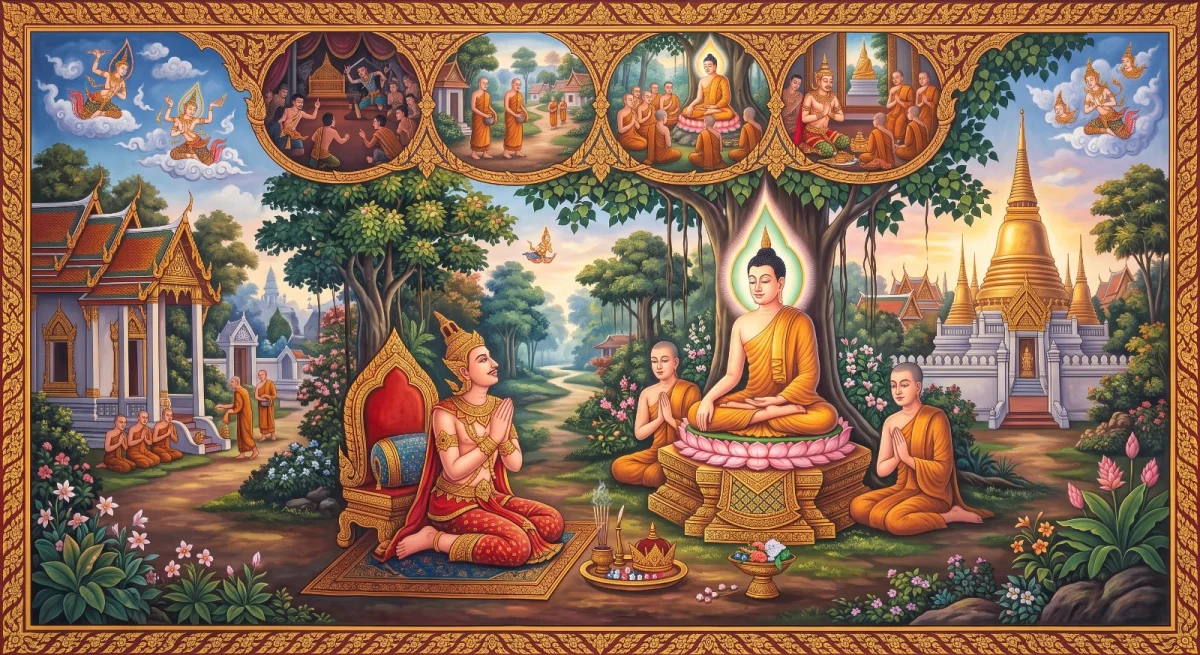
King Pasenadi kisses the Buddha's feet, then describes what he has seen with his own eyes that gives him confi…
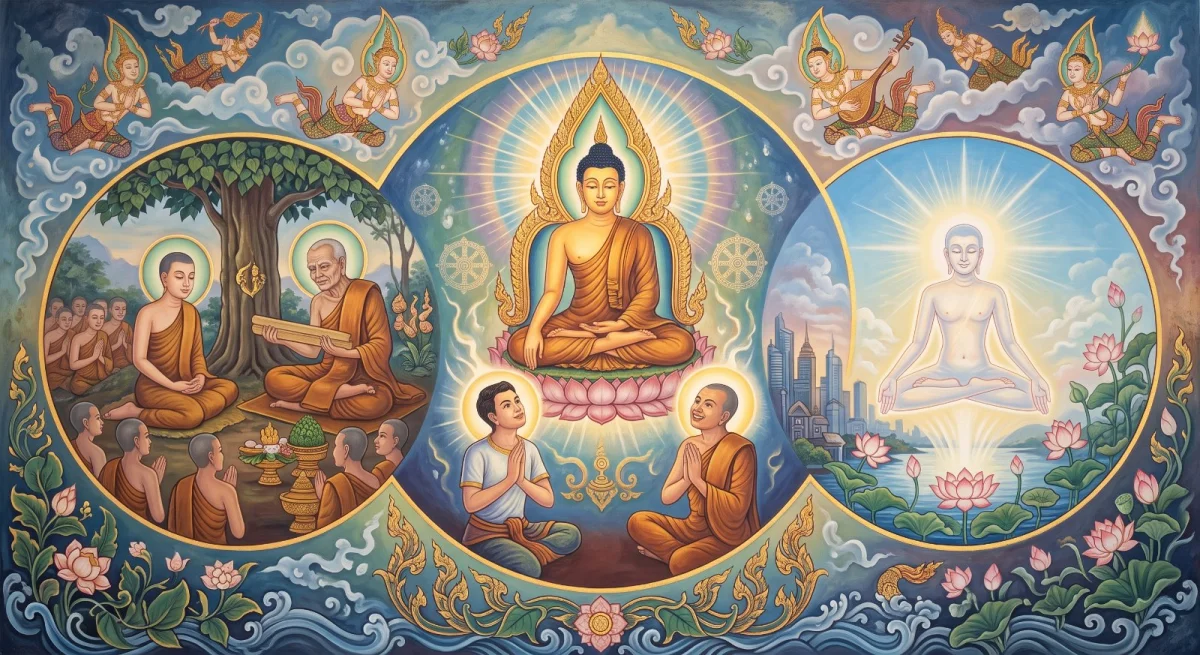
A young brahmin asks whether brahmins can claim "only this is true". The Buddha distinguishes three stages: pr…
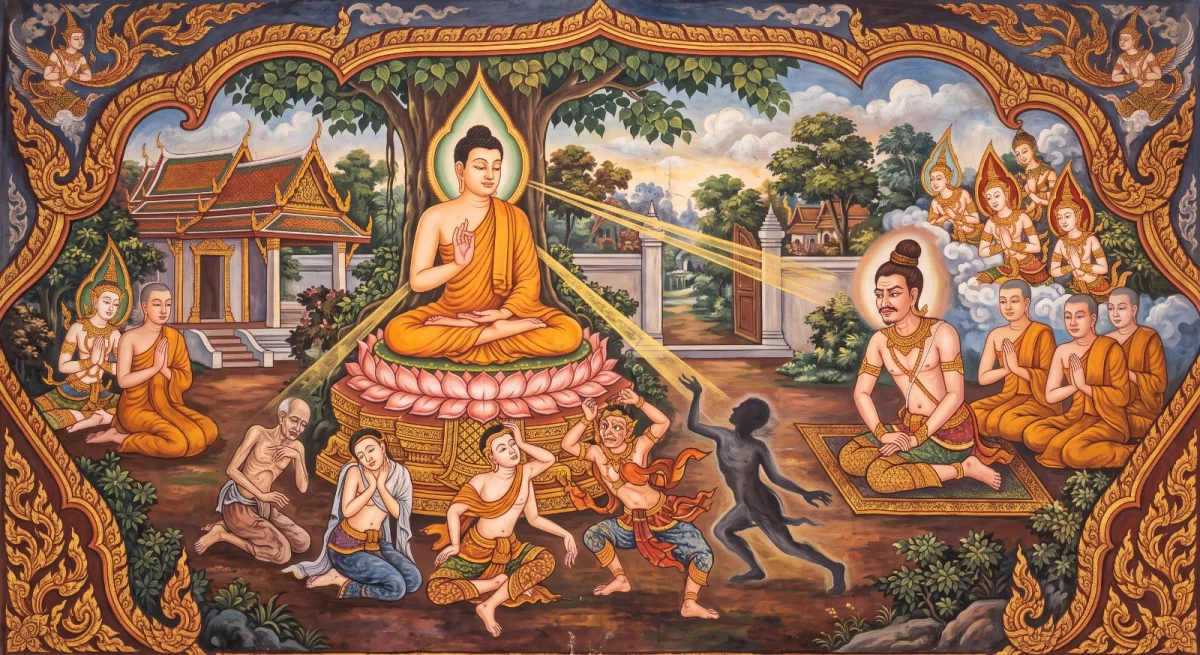
The debater Saccaka set out to refute the teaching of non-self. The Buddha asked: if form is your self, can yo…
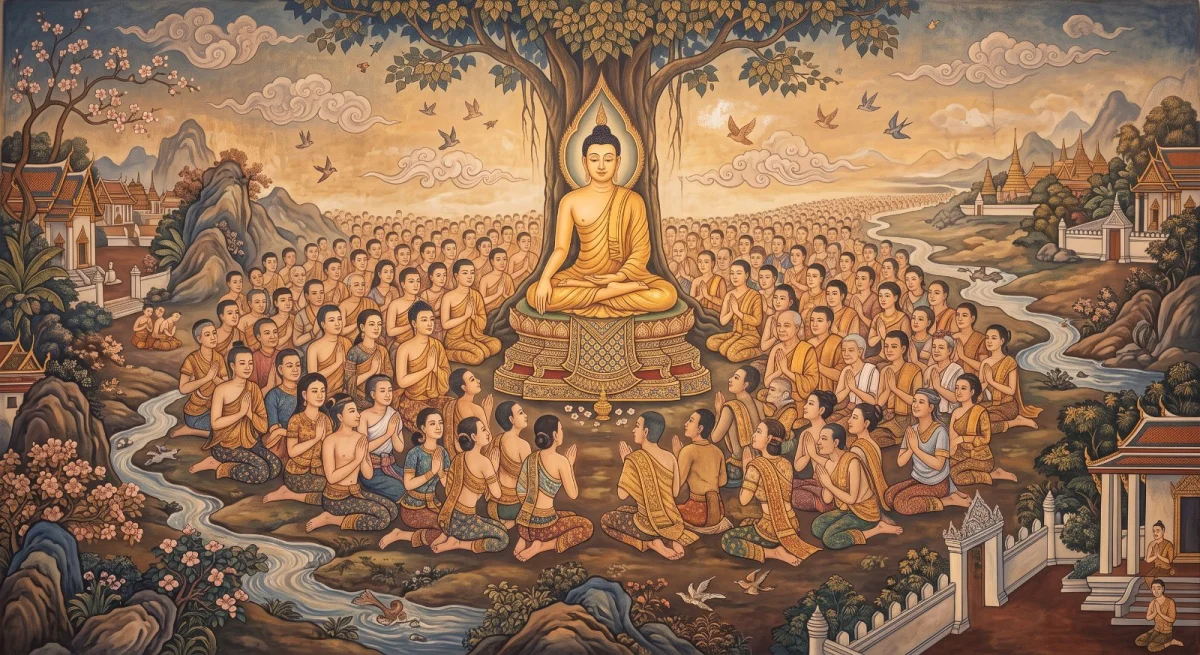
Vacchagotta asks for a brief teaching on the wholesome and unwholesome, then asks whether anyone has actually …
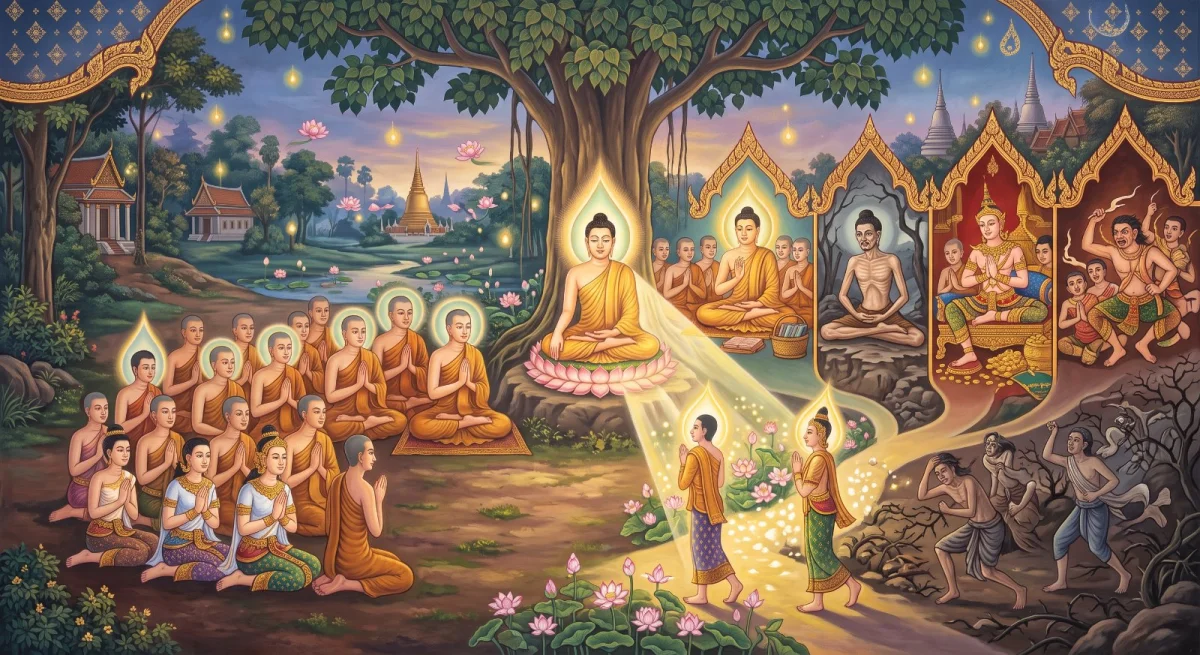
Ānanda explains to the wanderer Sandaka four doctrines that make the holy life meaningless and four kinds of h…
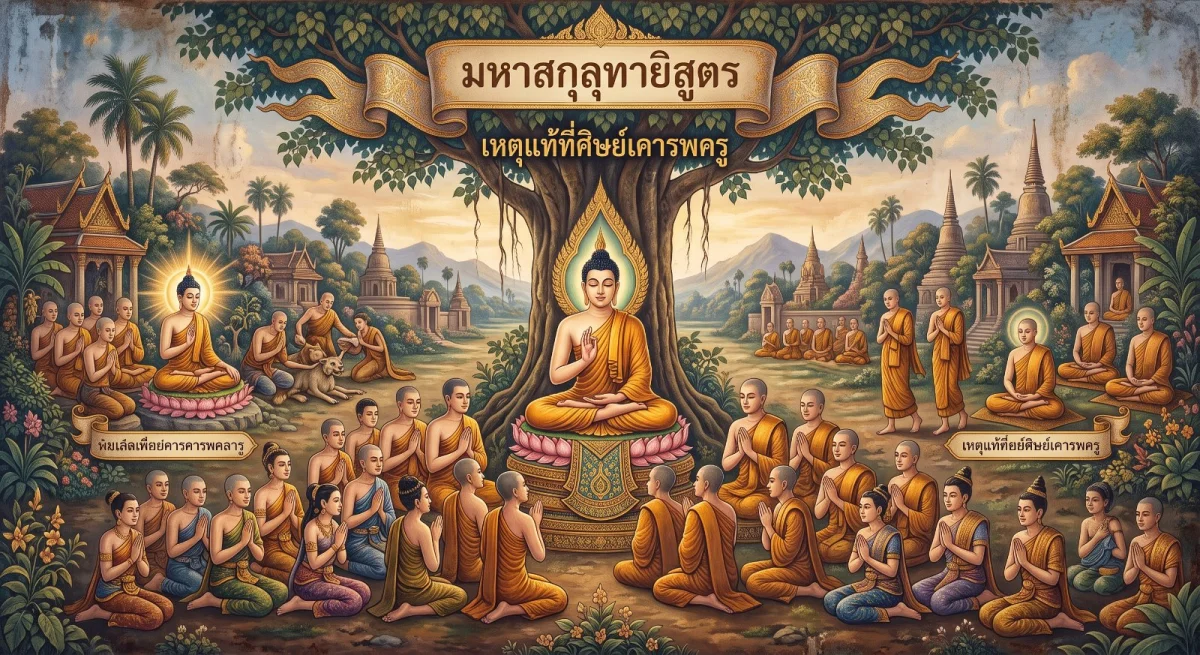
Sakuludāyī thinks disciples honour the Buddha for five qualities of frugality and contentment. The Buddha reje…
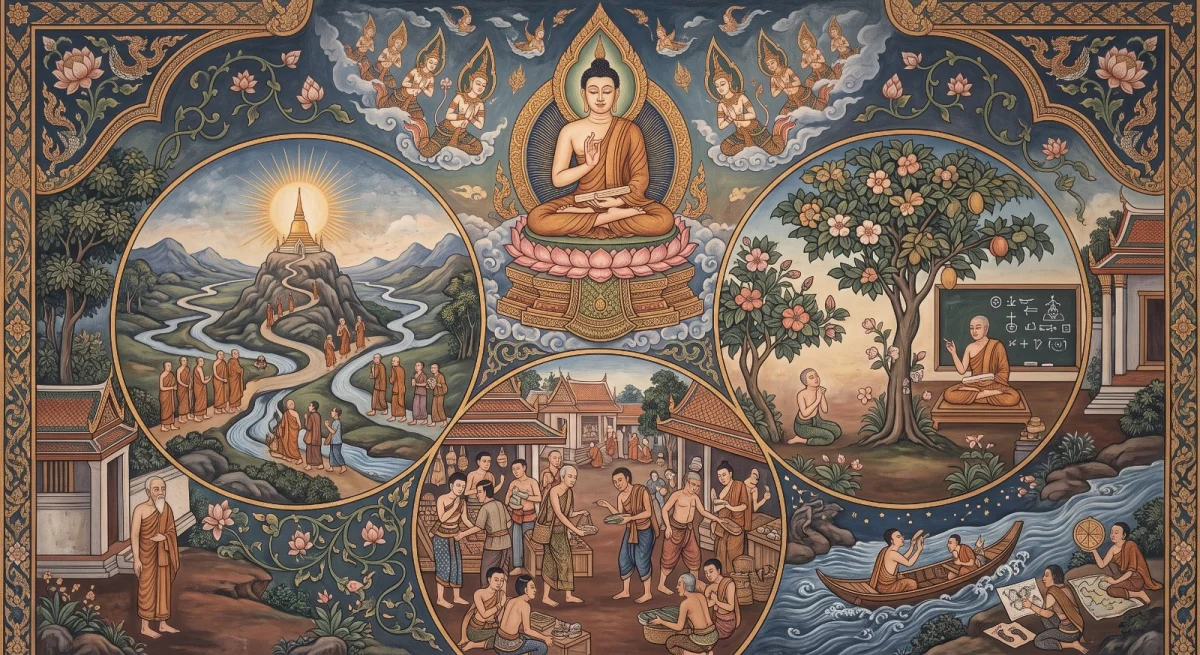
King Pasenadi asks about knowing and seeing everything, the four castes, devas and Brahmā. The Buddha says no …
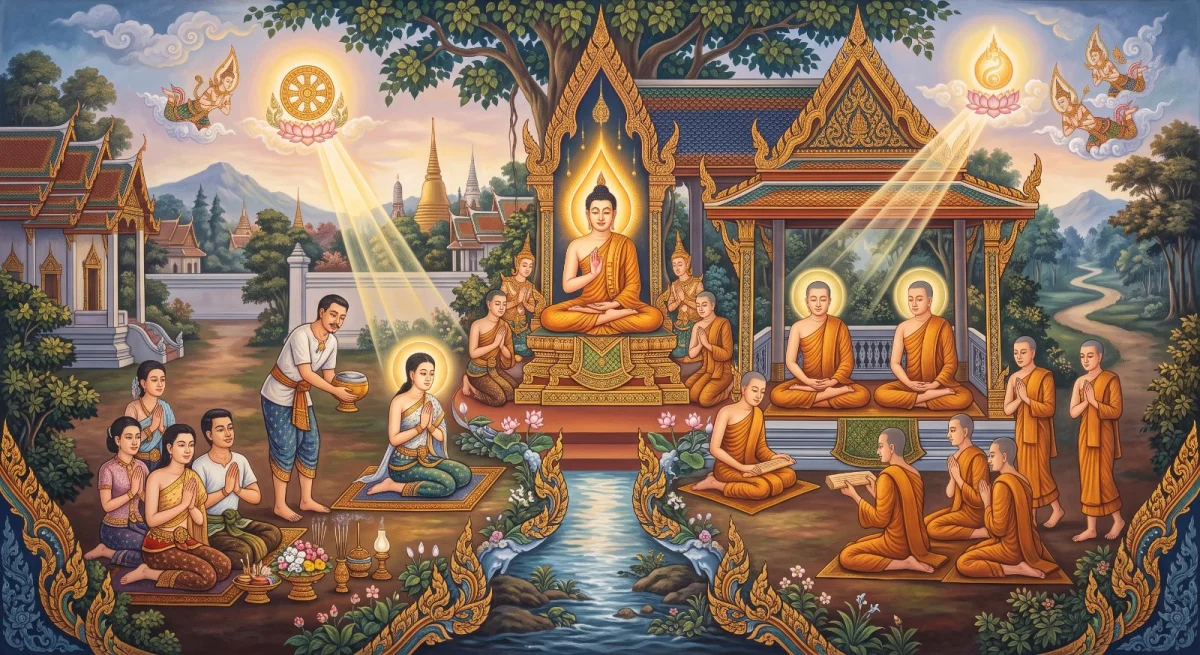
The young brahmin Subha asks whether householders or renunciants accomplish the wholesome. The Buddha says eit…
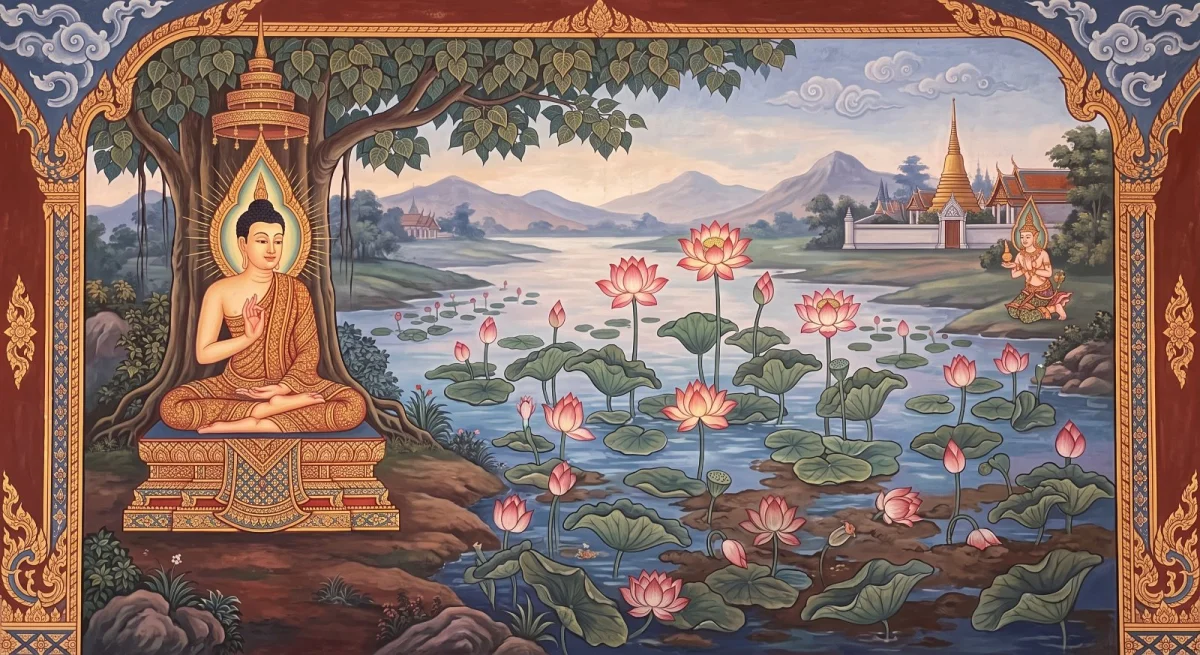
After awakening, the Buddha inclines not to teach, since the Dhamma is deep and people delight in attachment. …
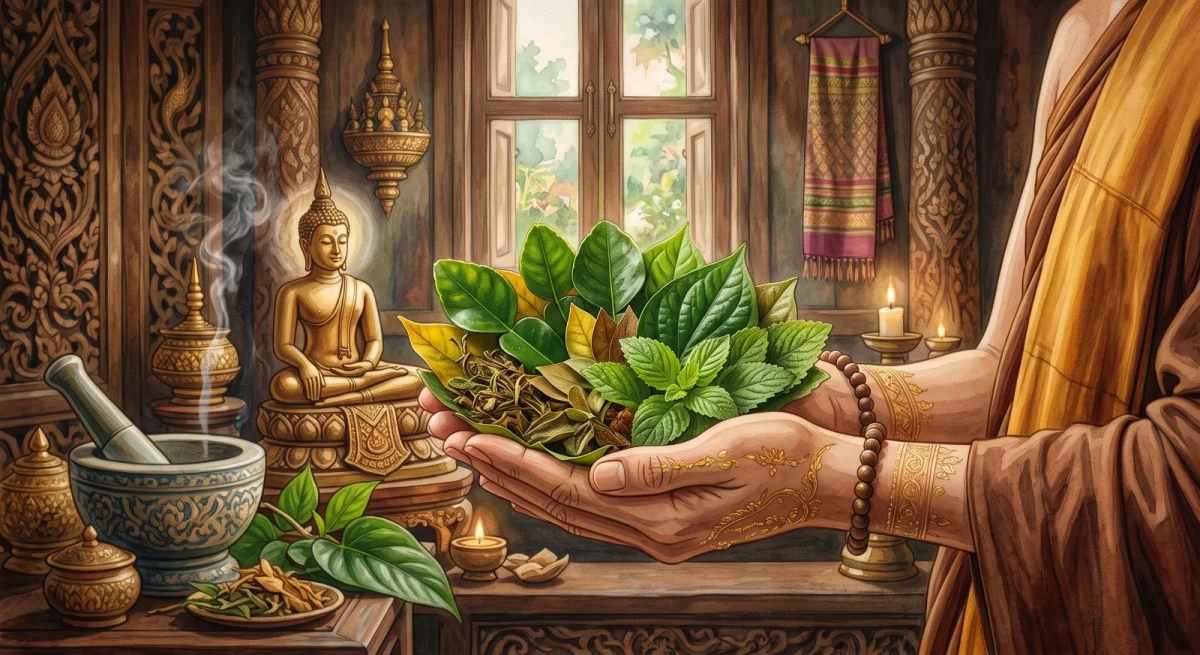
The Buddha picks up a few siṃsapā leaves and says that what he knows but has not taught is as many as the leav…